2026 SNAP Work Requirements: How Adults Keep Food Benefits
Advertisements

Worried about changes to your monthly grocery assistance? Navigating the 2026 SNAP Work Requirements is essential for adults seeking to maintain their nutritional benefits without unexpected interruptions.
As federal regulations adjust compliance standards, able-bodied program participants must now meet specific monthly activity quotas. Qualifying hours can easily be fulfilled through paid employment, approved vocational training programs, or verified volunteer opportunities.
Whether you need to report existing job hours or submit medical exemption documentation, staying proactive protects your household food security. Here is what you need to know to verify your status and keep your benefits active.
Understanding the Core Changes to SNAP Work Requirements
The Bipartisan Budget Act of 2018 initially expanded work requirements for able-bodied adults without dependents (ABAWDs) in SNAP. However, recent legislative adjustments have pushed these age limits further, creating a broader scope for compliance.
Effective October 1, 2023, the age limit for ABAWD work requirements increased from 49 to 52. The next significant shift, set for October 1, 2024, will raise this age to 54, impacting a much larger cohort of SNAP recipients across the nation.
This phased implementation means that by 2026, adults up to age 54 will generally be subject to these work requirements unless they meet specific exemption criteria. It is a critical shift that demands immediate attention and understanding from those potentially affected.
Who is Affected by the New 2026 SNAP Work Requirement Rules?
The primary group affected by these evolving rules are able-bodied adults without dependents (ABAWDs). This designation applies to individuals aged 18 to 54 who are not pregnant, not caring for a child under 18, and not exempt from work requirements due to other conditions.
Under the new regulations, these individuals generally face a three-month time limit for receiving SNAP benefits within a 36-month period if they do not meet work requirements. This limit can be reset if work requirements are fulfilled for a subsequent 30-day period.
The expansion to include adults up to age 54 significantly widens the net of individuals who must either meet these work requirements or qualify for an exemption. It marks a substantial policy change aimed at encouraging self-sufficiency.
Navigating the Specifics of Work Requirements for Benefits
To meet the work requirements, an ABAWD must either work or participate in a work program for an average of 20 hours per week, or 80 hours per month. This can include employment, volunteering, or engaging in approved education or training programs.
The definition of 'work' is broad, encompassing paid employment, self-employment, and even unpaid work in a volunteer capacity. The crucial element is consistent engagement for the specified number of hours each week or month.
States have some flexibility in how they implement and monitor these requirements, but the core federal mandate remains. Recipients must actively demonstrate their efforts to meet these stipulations to avoid the three-month time limit on their benefits.
Understanding Work Activities
Work activities that satisfy the SNAP work requirements are diverse. They include traditional employment, whether full-time or part-time, as well as self-employment that generates income.
Additionally, participation in a workfare program, where an individual works off their SNAP benefits, can meet the requirement. Vocational training, educational programs, and even certain volunteer activities are also recognized.
The key is that the activity must be approved by the state SNAP agency and meet the minimum hourly threshold. Documentation of participation is essential for all recipients to demonstrate compliance.
Key Exemptions to the 2026 SNAP Work Requirement Rules
While the new rules expand the age range, several critical exemptions exist that allow individuals to bypass the work requirements. These exemptions are vital for protecting vulnerable populations and ensuring they retain access to food assistance.
Individuals who are medically certified as physically or mentally unfit for employment are exempt. This includes those receiving temporary or permanent disability benefits, or individuals with a doctor's note verifying their inability to work.
Other exemptions include individuals who are pregnant, those caring for a child under 18 or caring for an incapacitated person. Students enrolled at least half-time in an institution of higher education and those participating in a drug or alcohol treatment program are also exempt.
Common Exemption Categories
There are several broad categories for exemptions. These include individuals with a disability, those who are pregnant, and caregivers for dependents.
Medical Exemption: Individuals certified by a medical professional as physically or mentally unfit for employment.
Caregiver Exemption: Persons caring for a child under 18 or an incapacitated individual.
Student Exemption: Students enrolled at least half-time in a recognized institution of higher education.
Treatment Program Exemption: Individuals participating in a drug or alcohol treatment and rehabilitation program.
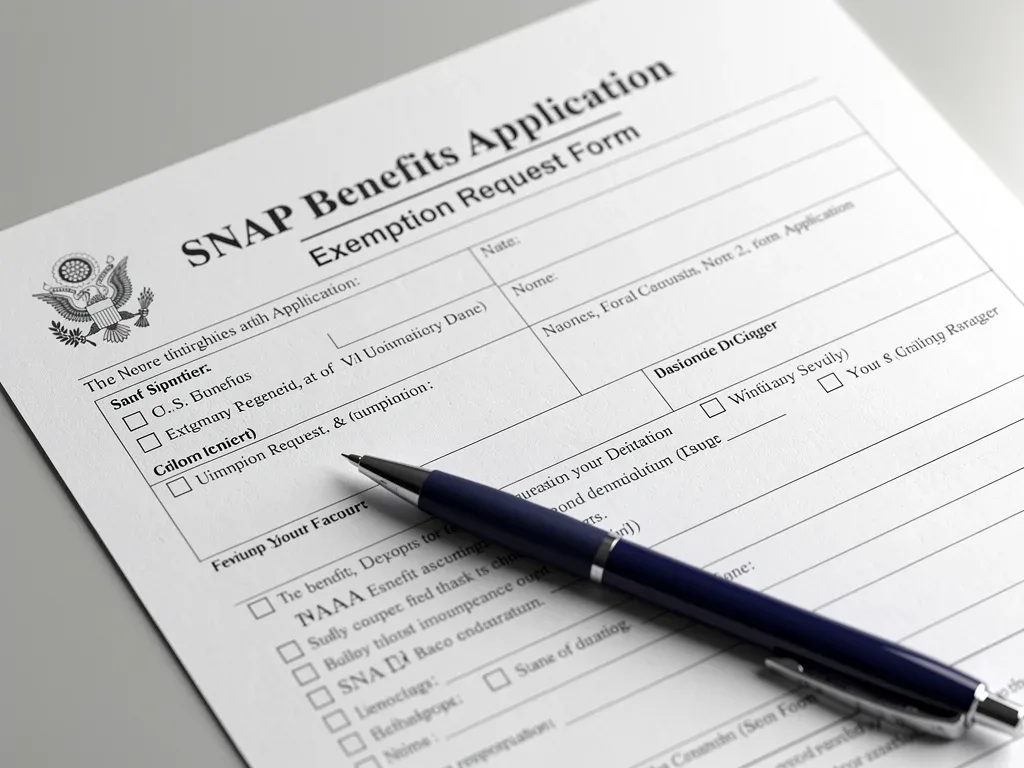
Understanding these exemptions is crucial for any individual who might otherwise be subject to the 2026 SNAP work requirement rules. It’s important to provide proper documentation to the state SNAP agency to claim an exemption.
State Flexibility and Discretionary Exemptions
While federal law sets the broad framework, states retain some flexibility in implementing SNAP work requirements. This includes the ability to apply a limited number of 'discretionary' exemptions.
States can exempt up to 12% of their ABAWD caseload from the time limit. These exemptions are typically used for individuals who do not fit into other specific exemption categories but face significant barriers to employment, such as lack of transportation or high unemployment in their area.
The availability and application of these discretionary exemptions vary by state. It is essential for recipients to check with their local SNAP agency to understand state-specific policies and how these might impact their eligibility.
Preparing for the 2026 Implementation and Beyond
The phased implementation of these rules means that some individuals may already be affected, with more to follow by October 2024 and fully by 2026. Proactive preparation is key to avoiding disruptions in benefits.
Recipients who believe they may be subject to the new requirements should contact their state SNAP agency immediately. They can inquire about their current status, potential exemptions, and available work programs.
Maintaining accurate records of work activities, job searches, or participation in approved programs is also critical. This documentation will be essential for demonstrating compliance and maintaining eligibility for 2026 SNAP work requirements.
Resources and Support for SNAP Recipients
Numerous resources are available to help SNAP recipients navigate the new work requirements. State SNAP agencies are the primary point of contact for information, eligibility verification, and access to work programs.
Many states offer employment and training (E&T) programs designed to help SNAP recipients gain skills and find employment. These programs can also count towards fulfilling the work requirements.
Non-profit organizations and community groups often provide additional support, including job search assistance, resume writing workshops, and referrals to other social services. Utilizing these resources can be invaluable for maintaining benefits under the new 2026 SNAP work requirement rules.
Impact and Future Outlook for SNAP Benefits
The expansion of work requirements reflects a broader policy trend towards encouraging self-sufficiency among benefit recipients. While intended to promote employment, these changes also pose challenges for individuals facing various barriers.
Advocates for low-income populations express concerns about the potential for increased food insecurity, especially for those who struggle to meet the requirements or are unaware of available exemptions. Monitoring the real-world impact will be crucial.
As 2026 approaches, continuous communication from federal and state agencies, coupled with robust support services, will be essential to mitigate negative consequences. The goal remains to strike a balance between promoting work and providing a vital safety net.
Key Point | Brief Description |
|---|---|
Age Expansion | Work requirements extend to adults up to age 54 by October 2024. |
Work Hours | 20 hours/week or 80 hours/month required for ABAWDs. |
Exemptions | Medical, caregiver, student, and treatment program exemptions apply. |
State Discretion | States can apply limited discretionary exemptions for certain cases. |
Frequently Asked Questions About 2026 SNAP Work Requirements
What are the new age limits for SNAP work requirements?▼
The age limit for able-bodied adults without dependents (ABAWDs) subject to SNAP work requirements will increase to 52 by October 2023 and then to 54 by October 2024. This means adults up to age 54 will generally need to meet these requirements to receive benefits.
How many hours of work are required for SNAP benefits?▼
ABAWDs must generally work or participate in a work program for an average of 20 hours per week, which translates to 80 hours per month. This can include paid employment, volunteering, or approved education and training activities.
Who is exempt from the new SNAP work requirement rules?▼
Exemptions include individuals who are medically unfit for employment, pregnant, caring for a child under 18 or an incapacitated person, enrolled as a student at least half-time, or participating in a drug/alcohol treatment program.
Can states offer additional exemptions for 2026 SNAP work requirements?▼
Yes, states have the flexibility to exempt up to 12% of their ABAWD caseload from the time limit, using discretionary exemptions. These are often applied to individuals facing specific barriers not covered by federal exemptions.
What should I do if I am impacted by these new rules?▼
If you are an adult up to age 54 receiving SNAP, contact your state SNAP agency immediately. Inquire about your status, potential exemptions, and available work programs to ensure you continue to receive your food benefits without interruption.
What Happens Now
The implementation of the new 2026 SNAP work requirement rules marks a significant shift in federal food assistance policy. These changes will expand the scope of individuals subject to work requirements, emphasizing the importance of active participation or qualifying for exemptions to maintain benefits.
Recipients, particularly adults up to age 54, must proactively engage with their state SNAP agencies to understand how these updates impact their specific situations.
Staying informed about available resources and potential exemptions will be crucial for navigating this evolving landscape and ensuring continued access to vital food assistance.
The coming months will be critical for observing the full impact of these changes on communities and individuals across the United States. It's imperative for everyone involved to remain vigilant and adaptable to the new requirements.