The Future of Digital Wallets in France: 5 Technological Advances Expected to Transform Payments
Advertisements
France is currently at the forefront of a financial revolution, driven by the rapid adoption of Digital Wallets.
As we approach late 2026, the French payment landscape is shifting toward a more integrated, secure, and sovereign ecosystem for every citizen.
The upcoming implementation of the EUDI framework and the rise of “Wero” are set to redefine how people manage virtual credentials.
These mobile-first solutions prioritize high-level encryption and seamless interoperability, replacing traditional physical cards with unified contactless experiences across the Eurozone.
Industry leaders are now focusing on biometric authentication and AI-driven security to ensure frictionless transactions.
From the digital euro’s “offline” capabilities to advanced tokenization, these tech breakthroughs are transforming smartphones into the ultimate personal finance hubs in France.
The Rise of Central Bank Digital Currencies (CBDCs)
The introduction of Central Bank Digital Currencies (CBDCs) is poised to fundamentally reshape the French payment landscape.
The European Central Bank’s ongoing work on a digital euro is a critical component of this transformation, aiming to provide a secure and efficient digital payment option.
This initiative seeks to complement existing payment methods, not replace them, offering a sovereign digital alternative for both consumers and businesses.
France, as a key member of the Eurozone, will be at the forefront of this adoption, integrating the digital euro into widely used digital wallets.
The development of the digital euro is driven by the need for greater financial stability, privacy, and innovation in the digital age. Its success hinges on seamless integration with existing financial infrastructure and widespread public acceptance.

Enhanced Security Protocols and Biometric Authentication
Security remains a paramount concern for users of digital wallets, and advancements in biometric authentication are addressing these fears directly.
Fingerprint, facial recognition, and even voice authentication are becoming standard features, offering robust protection against fraud.
These sophisticated methods move beyond traditional passwords and PINs, providing a more convenient yet highly secure way to authorize transactions.
The integration of multi-factor authentication (MFA) further strengthens these defenses, creating layers of security for sensitive financial data.
As the use of digital wallets expands, the continuous evolution of these security protocols will be crucial in maintaining user trust and fostering broader adoption. Consumers in France can expect increasingly secure and intuitive authentication processes by 2026.
AI and Machine Learning for Fraud Detection and Personalization
Artificial intelligence (AI) and machine learning (ML) are rapidly becoming indispensable tools in the evolution of digital wallets, particularly in France.
These technologies excel at identifying anomalous transaction patterns, thereby significantly enhancing fraud detection capabilities.
Beyond security, AI and ML are also driving hyper-personalization, offering users tailored financial insights, budgeting tools, and even proactive savings recommendations.
This shift transforms digital wallets from mere payment tools into comprehensive financial management platforms.
The ability of AI to analyze vast datasets in real-time allows for immediate threat assessment and a more intuitive user experience. By 2026, these intelligent features will be a standard expectation for users of digital wallets in France.
The Integration of Open Banking APIs
Open Banking, facilitated by robust Application Programming Interfaces (APIs), is set to revolutionize how digital wallets interact with various financial services.
This framework allows for secure data sharing between banks and authorized third-party providers, with user consent.
For digital wallet users, this means a more unified financial experience, where they can view all their bank accounts, credit cards, and investments within a single interface.
This level of aggregation simplifies financial management and empowers consumers with greater control over their data.
The widespread adoption of Open Banking APIs will foster an ecosystem of innovative financial products and services, making digital wallets more versatile and indispensable. This integration is a cornerstone for the future of Digital Wallets France 2026.
Blockchain Technology and Decentralized Finance (DeFi)
Blockchain technology, initially known for cryptocurrencies, is now finding practical applications in mainstream digital wallets, especially in France.
Its inherent security, transparency, and immutability offer significant advantages for payment processing and record-keeping.
Decentralized Finance (DeFi) applications, built on blockchain, are also emerging as a powerful force, enabling peer-to-peer transactions and new forms of digital asset management within digital wallets.
This reduces reliance on traditional intermediaries and can lower transaction costs.
While still in its nascent stages for widespread adoption in traditional digital wallets, the potential for blockchain to enhance security, reduce fraud, and streamline cross-border payments is immense.
France is exploring these possibilities to bolster its financial infrastructure.
Interoperability and Seamless Cross-Platform Experiences
A significant challenge for the widespread adoption of digital wallets has been the lack of seamless interoperability between different platforms and payment systems.
By 2026, advancements in this area will ensure a more fluid user experience across various devices and merchants.
Efforts are underway to standardize protocols and foster collaboration among payment providers, enabling users to pay with their preferred digital wallet regardless of the merchant’s system. This reduces friction and enhances convenience for consumers.
Improved interoperability will be a game-changer, making digital wallets a truly ubiquitous payment method.
The goal is to eliminate barriers and create a truly integrated digital payment ecosystem across France and beyond.
Advanced Tokenization for Transaction Security
Tokenization is a critical security measure that protects sensitive payment information within digital wallets.
It replaces actual card numbers with unique, encrypted tokens, rendering the original data useless to potential fraudsters even if a breach occurs.
This technology is continuously evolving, with more sophisticated tokenization methods being developed to further enhance transaction security.
As digital payments become more prevalent, the robustness of tokenization protocols will be paramount.
For users in France, advanced tokenization means greater peace of mind when conducting transactions, knowing their financial details are highly protected.
This foundational technology underpins the secure growth of Digital Wallets France 2026.
Real-time Payments and Instant Settlements
The demand for instant gratification extends to financial transactions, and digital wallets are at the forefront of delivering real-time payments and instant settlements.
This capability allows money to be transferred and received almost instantaneously, 24/7.
For businesses, instant settlements improve cash flow and operational efficiency, while consumers benefit from immediate access to funds. This capability is particularly impactful for peer-to-peer payments and urgent transactions.
The infrastructure supporting real-time payments is continuously being refined, ensuring reliability and speed.
By 2026, instant transactions will be a standard feature of digital wallets, transforming how money moves across France.
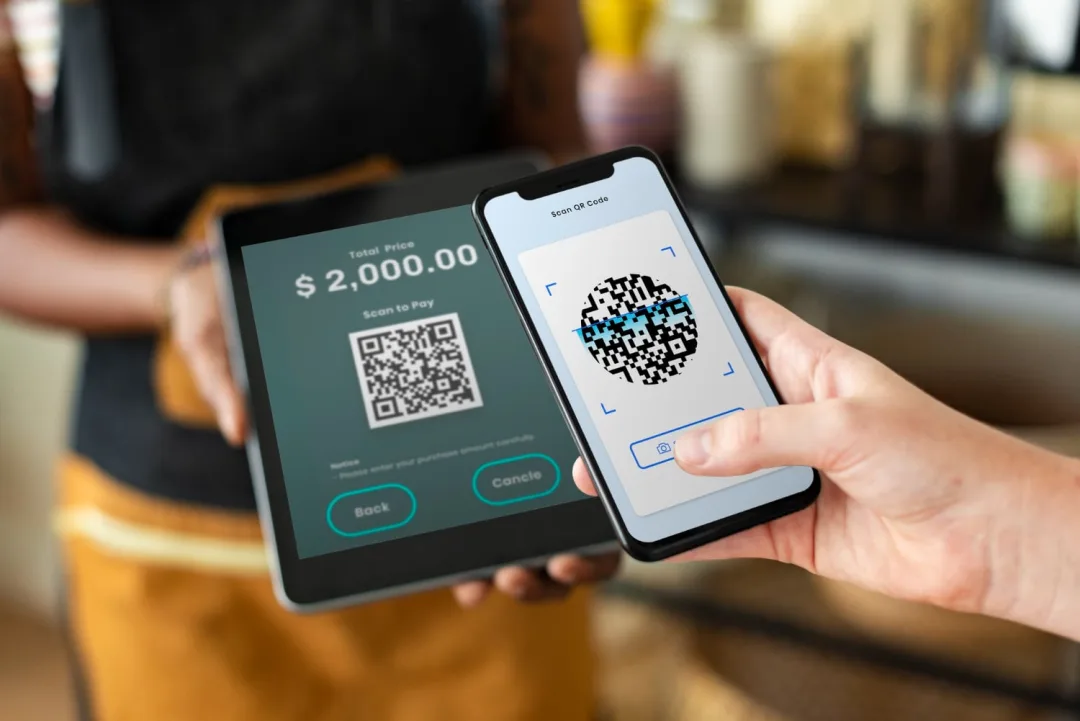
Enhanced User Experience and Intuitive Interfaces
Beyond security and functionality, the future of digital wallets in France heavily relies on providing an exceptional user experience.
Intuitive interfaces, streamlined navigation, and personalized dashboards are critical to driving widespread adoption.
Designers and developers are focusing on creating digital wallets that are not only powerful but also incredibly easy to use, even for those less technologically inclined. The goal is to make managing finances effortless and engaging.
Features such as simplified onboarding processes, clear transaction histories, and accessible customer support will define the next generation of digital wallets.
This focus on user-centric design is essential for the success of Digital Wallets France 2026.
Integration with IoT Devices and Wearables
The proliferation of Internet of Things (IoT) devices and wearables is opening new avenues for digital wallet integration. Imagine paying for goods with a smart watch, smart ring, or even directly from your connected car.
This seamless integration into everyday objects extends the convenience of digital payments beyond smartphones, making transactions even more effortless and embedded in daily life. The potential applications are vast and continuously expanding.
As IoT ecosystems mature, digital wallets will increasingly become a core component, offering innovative ways to conduct transactions without ever reaching for a physical card or even a phone. This represents a significant leap for Digital Wallets France 2026.
Regulatory Frameworks and Consumer Protection
As digital wallets evolve, so too must the regulatory frameworks governing them. French and European regulators are actively working to establish clear guidelines that foster innovation while ensuring robust consumer protection and market stability.
Key areas of focus include data privacy, security standards, anti-money laundering (AML) protocols, and fair competition.
These regulations are crucial for building trust and ensuring a level playing field for all participants in the digital payment ecosystem.
The evolving regulatory landscape will shape the direction and capabilities of digital wallets, ensuring they operate within a secure and compliant environment.
This proactive approach is vital for the sustainable growth of Digital Wallets France 2026.
Cross-Border Payment Solutions
The globalized economy demands efficient and cost-effective cross-border payment solutions, and digital wallets are increasingly fulfilling this need.
New technologies are streamlining international transfers, reducing fees, and accelerating settlement times.
Innovations in blockchain and distributed ledger technologies (DLT) are particularly promising for cross-border payments, offering a more transparent and efficient alternative to traditional correspondent banking networks.
This benefits both individuals sending remittances and businesses engaging in international trade.
By 2026, digital wallets in France will offer significantly improved capabilities for international transactions, making global commerce and personal transfers more accessible and affordable. This is a critical aspect of the future of Digital Wallets France 2026.
| Key Advance | Impact on Payments |
|---|---|
| CBDCs (Digital Euro) | Sovereign digital currency, enhanced stability and privacy for transactions. |
| Biometric Security | More secure and convenient authentication via fingerprint/facial recognition. |
| AI & Machine Learning | Advanced fraud detection and personalized financial insights. |
| Open Banking APIs | Unified financial overview and seamless integration with various services. |
Frequently Asked Questions About Digital Wallets in France
How will CBDCs impact daily transactions in France?▼CBDCs, like the digital euro, are expected to offer a secure, private, and efficient digital payment alternative. They will likely coexist with traditional payment methods, providing a sovereign digital option for everyday purchases and online transactions, enhancing the overall resilience of the payment system in France.
What role does AI play in securing digital wallets?▼AI and machine learning are crucial for real-time fraud detection by analyzing transaction patterns and flagging suspicious activities. They also contribute to personalized security measures and adapt to emerging threats, making digital wallets significantly safer for users across France.
Will biometric authentication become mandatory for digital payments?▼While not universally mandatory, biometric authentication is rapidly becoming a standard and preferred security feature due to its convenience and effectiveness. Its adoption is driven by user demand for stronger security without compromising ease of use, becoming increasingly prevalent in Digital Wallets France 2026.
How will Open Banking change my digital wallet experience?▼Open Banking will enable your digital wallet to securely connect with various financial institutions, providing a consolidated view of all your accounts. This allows for better financial management, tailored advice, and access to a wider range of integrated financial services directly from your wallet in France.
What are the main benefits of blockchain for digital wallets in France?▼Blockchain offers enhanced security and transparency for transactions, reducing fraud risks and potentially lowering costs for cross-border payments. It also underpins decentralized finance applications, offering new ways to manage and transfer digital assets, contributing to the evolution of Digital Wallets France 2026.
Looking Ahead
The transformation of digital wallets in France by 2026 is not merely an incremental upgrade but a fundamental shift in how financial transactions are conducted.
These five technological advances, CBDCs, enhanced biometric security, AI-driven fraud detection and personalization, Open Banking APIs, and blockchain integration, are converging to create a more secure, efficient, and user-centric payment ecosystem.
Stakeholders, from consumers to financial institutions, must adapt to these changes to fully leverage the benefits.
The proactive regulatory environment in France will continue to shape these developments, ensuring that innovation proceeds hand-in-hand with robust consumer protection.
The future of Digital Wallets France 2026 promises a financial landscape that is both dynamic and deeply integrated into daily life.