Latest European Central Bank Rate Hike of 0.25% Impacts French Variable-Rate Mortgages
Advertisements
If you hold a home loan in France, Eurozone monetary policy is hitting closer to home than ever. The latest ECB Rate Hike of 0.25% is sending immediate ripples through the local property market, directly squeezing borrowers who opted out of traditional fixed-term safety nets.
This recent tightening by central bankers has radically shifted the landscape for variable-rate financing in Q1 2026. As Euro-area borrowing costs climb, French adjustable mortgages are seeing swift upward revisions, leaving many homeowners facing unexpectedly higher monthly bills.
Understanding this shift requires a close look at the newly released data from banking authorities and industry insiders. Here is a breakdown of what exactly changed this quarter, why it matters for your finances, and the key indicators you need to monitor next.
Understanding the ECB’s Latest Move
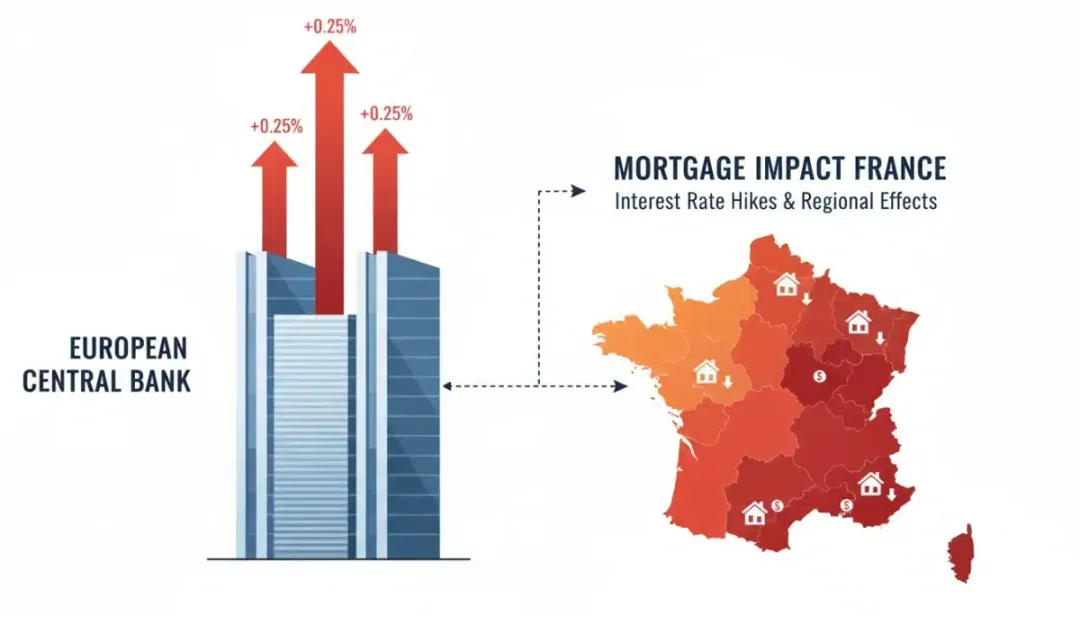
The European Central Bank (ECB) recently announced a 0.25% increase in its key interest rates, a decision that reverberates across the Eurozone.
This move is part of the ongoing strategy to combat persistent inflation, aiming to stabilize prices and ensure long-term economic health.
This particular hike, enacted at the close of 2025, has immediate implications for financial markets and, specifically, for borrowers holding variable-rate mortgages.
The impact on French households is drawing particular attention due to the prevalence of such mortgage products in the region.
As Q1 2026 unfolds, financial institutions in France are recalibrating their offerings, and consumers are beginning to feel the direct effects of these policy adjustments. It is crucial to analyze how this latest ECB rate hike translates into tangible changes for French variable-rate mortgage holders.

Direct Impact on French Variable-Rate Mortgages
The 0.25% increase directly influences the cost of borrowing for individuals with variable-rate mortgages in France. These loans are intrinsically linked to benchmark rates, such as Euribor, which typically rise in tandem with ECB policy rates.
Consequently, many French homeowners will observe an upward adjustment in their monthly mortgage payments starting in Q1 2026. The exact magnitude of this change will depend on the specific terms of their individual mortgage agreements and the timing of their rate resets.
This situation underscores the inherent volatility associated with variable-rate products and highlights the need for borrowers to monitor these financial developments closely. The ECB Rate Hike is a key focus for financial planning.
How Variable Rates Adjust
Variable-rate mortgages in France often reset their interest rates periodically, usually every three, six, or twelve months, based on the prevailing Euribor rate plus a lender’s margin. The ECB’s hike pushes Euribor upwards, leading to higher payments at the next reset date.
Borrowers should check their mortgage contracts to understand their reset schedule and the specific benchmark rate used. This proactive approach allows them to anticipate changes and plan their household budgets accordingly. Understanding the mechanics is vital for navigating the ECB Rate Hike.
- Identify your mortgage’s benchmark rate (e.g., Euribor 3-month, 6-month).
- Note your next rate reset date as specified in your loan agreement.
- Calculate potential new monthly payments based on current Euribor forecasts.
- Contact your lender for personalized information regarding your specific mortgage.
Broader Economic Implications for France
Beyond individual mortgage payments, the ECB’s rate hike sends ripples through the broader French economy. Higher borrowing costs can cool down demand in the housing market, potentially leading to a slowdown in transactions and price adjustments.
Construction activity might also see a deceleration as developers face increased financing expenses, which could impact the supply of new homes. This creates a complex environment for both buyers and sellers in the French real estate sector.
Economists are closely watching consumer spending patterns, as a significant portion of household income diverted to mortgage payments could reduce discretionary spending. This is a critical aspect when evaluating how the ECB Rate Hike.
Impact on Consumer Confidence
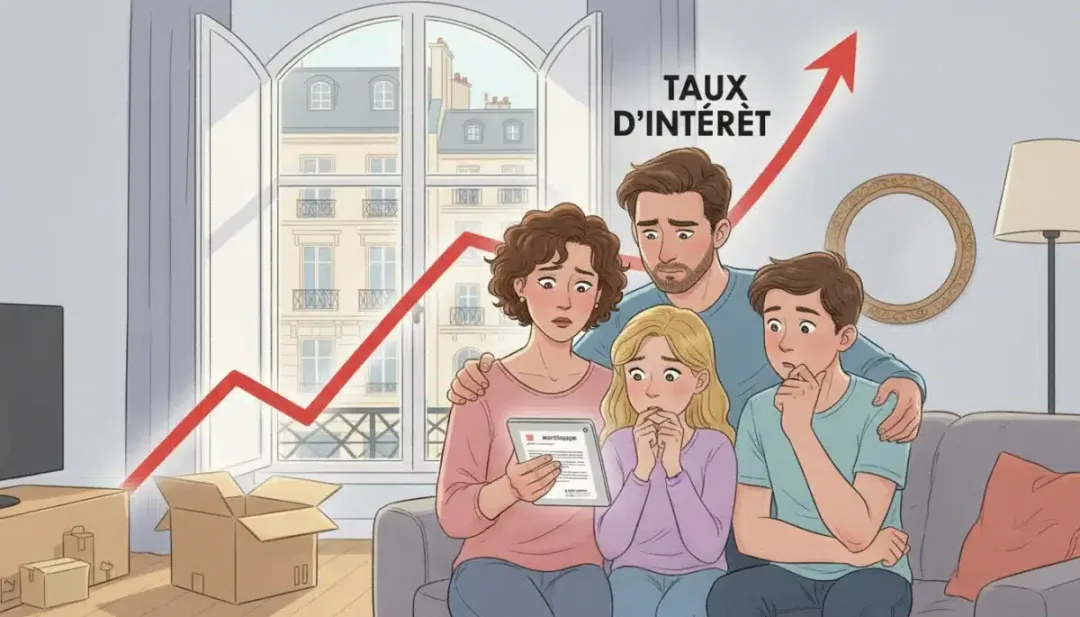
Rising mortgage costs can erode consumer confidence, leading to a more cautious approach to major purchases and investments. This sentiment can have a broader effect on economic growth, influencing various sectors from retail to automotive.
Businesses, too, might face higher borrowing costs for expansion or operational needs, potentially slowing investment and hiring. The ripple effect of the ECB Rate Hike is multifaceted and pervasive.
- Monitor official consumer confidence indices released by statistical agencies.
- Observe retail sales data for potential shifts in consumer behavior.
- Track business investment trends and corporate earnings reports.
Navigating Q1 2026: Strategies for Borrowers
For French homeowners with variable-rate mortgages, Q1 2026 presents a period requiring careful financial management and strategic decision-making. Proactive steps can help mitigate the impact of the increased rates and secure financial stability.
One key strategy involves reviewing personal budgets to identify areas where savings can be made to accommodate higher mortgage payments. Creating a financial buffer is more important now than ever to absorb potential fluctuations.
Another option is to explore refinancing possibilities, although the current rising rate environment might make fixed-rate options less attractive than in previous years. However, locking in a rate could provide certainty against future hikes, a relevant consideration given the ECB Rate Hike.
Refinancing Considerations
While interest rates are generally on an upward trajectory, some borrowers might still find opportunities to refinance into a fixed-rate mortgage. This decision depends heavily on individual financial circumstances, the remaining term of the loan, and the specific rates offered by lenders.
It is advisable to consult with a financial advisor or mortgage broker to assess the best course of action. They can provide tailored advice based on your financial situation and the evolving market landscape. This consultation is crucial for understanding the full implications of the ECB Rate Hike.
- Compare current variable rates with available fixed-rate offers.
- Calculate the costs associated with refinancing, including fees and penalties.
- Consider your long-term financial goals and risk tolerance.
Bank Responses and Lending Landscape
French banks are adapting their lending policies and product offerings in response to the ECB’s rate adjustments. This includes a review of eligibility criteria, loan-to-value ratios, and the overall cost structure of mortgage products.
While variable-rate mortgages remain available, lenders might emphasize fixed-rate options or hybrid models that offer a degree of rate stability. The competitive landscape among banks will also play a role in how these changes are passed on to consumers.
Transparency from financial institutions regarding rate adjustments and available alternatives is paramount for maintaining consumer trust. The ECB Rate Hike necessitates clear communication from lenders.
New Mortgage Product Developments
In response to the shifting rate environment, some banks may introduce new mortgage products designed to offer more flexibility or protection against future rate increases. These could include caps on variable rates or shorter fixed-rate periods followed by a variable rate.
Borrowers should actively research these new offerings and understand their terms and conditions. Staying informed about the latest products can help homeowners make optimal financial decisions in a dynamic market. This continuous evolution is directly tied to the ECB Rate Hike.
The regulatory environment also plays a role, with authorities potentially introducing measures to protect vulnerable borrowers. These interventions could shape the future of the French mortgage market significantly.
Government and Regulatory Perspectives
The French government and regulatory bodies are closely monitoring the effects of the ECB rate hike on the national housing market. Their primary concerns revolve around preventing excessive financial strain on households and maintaining stability within the banking sector.
Potential measures could include targeted support programs for low-income borrowers or adjustments to existing mortgage regulations. These interventions aim to cushion the impact of rising rates and ensure access to affordable housing remains feasible.
Statements from government officials indicate a readiness to intervene if market conditions deteriorate significantly. The intersection of monetary policy and national housing policy is a crucial area of focus when discussing the ECB Rate Hike.
Policy Dialogue and Future Outlook
Ongoing dialogue between the French government, the ECB, and national financial authorities is essential for coordinating responses to the evolving economic landscape. These discussions help shape future policy decisions and economic forecasts.
The long-term outlook for French variable-rate mortgages will largely depend on the ECB’s future monetary policy trajectory.
Further rate hikes or eventual cuts will continue to influence borrowing costs and market dynamics. This continuous assessment is fundamental to understanding the ECB Rate Hike.
Monitoring these high-level policy discussions provides valuable insight into the potential direction of the market. Staying informed about these developments is key for both current and prospective homeowners.
Comparative Analysis: France vs. Eurozone Peers
While the ECB rate hike affects all Eurozone members, its specific impact on French variable-rate mortgages can differ from other countries. This is due to variations in national mortgage market structures, regulatory frameworks, and consumer preferences.
For instance, countries with a higher proportion of fixed-rate mortgages might experience less immediate impact on existing borrowers, although new loans will still reflect the higher rates.
France’s significant share of variable-rate products makes it particularly susceptible.
A comparative analysis helps contextualize the French situation and identify best practices or unique challenges. Understanding these distinctions is crucial for a comprehensive grasp of how the ECB Rate Hike.
Divergent Market Responses
Some Eurozone countries might have stronger consumer protection mechanisms or different methods for calculating variable rates, leading to varied outcomes. These national specificities mean that a uniform ECB policy can have heterogeneous effects across the bloc.
Analyzing these divergences provides valuable lessons for French policymakers and financial institutions. It informs strategies to mitigate negative impacts and enhance market resilience. The varied responses underscore the complexity of the ECB Rate Hike.
This comparative perspective also offers insights for French individuals considering cross-border financial decisions or for investors evaluating opportunities within the Eurozone’s diverse real estate markets.
Future Outlook and Predictions for 2026
Looking beyond Q1 2026, the trajectory of French variable-rate mortgages will continue to be shaped by several factors. The ECB’s future decisions on interest rates, inflation trends, and the overall health of the Eurozone economy will all play critical roles.
Analysts generally anticipate a period of sustained vigilance from the ECB, with further rate adjustments possible if inflation remains stubbornly high. However, signs of economic slowdown could prompt a pause or even a reversal in policy later in the year.
For French borrowers, this means that uncertainty regarding future mortgage payments will likely persist throughout 2026. Proactive financial planning and staying informed remain the best defenses against market volatility, especially concerning the ECB Rate Hike.
Key Indicators to Watch
Several economic indicators will serve as crucial barometers for the future direction of interest rates and mortgage costs. These include inflation rates (CPI), GDP growth figures, and unemployment data for both France and the broader Eurozone.
Additionally, statements from ECB officials and minutes from monetary policy meetings will provide insights into their thinking and potential future actions.
Keeping an eye on these indicators helps anticipate market movements. Monitoring these factors is essential for anyone affected by the ECB Rate Hike.
- Eurozone inflation data (Harmonised Index of Consumer Prices – HICP).
- ECB Governing Council meeting outcomes and press conferences.
- French national economic reports, including housing market statistics.
| Key Point | Brief Description |
|---|---|
| ECB Rate Hike | European Central Bank increased key interest rates by 0.25%. |
| French Mortgages Impact | Higher monthly payments for French variable-rate mortgage holders in Q1 2026. |
| Economic Outlook | Potential slowdown in housing market and consumer spending in France. |
| Borrower Strategies | Budget review, refinancing options, and financial advisory are crucial for homeowners. |
Frequently Asked Questions About French Mortgages and ECB Rates
How does the ECB rate hike specifically affect my French variable-rate mortgage?▼The ECB rate hike of 0.25% directly influences benchmark rates like Euribor, to which most French variable-rate mortgages are tied. When your mortgage rate resets, likely in Q1 2026, your monthly payments will increase due to the higher underlying interest rate. This is the direct consequence of the Latest European Central Bank Rate Hike of 0.25% Impacts French Variable-Rate Mortgages: Analysis of Q1 2026 Trends.
What immediate steps should French variable-rate mortgage holders take?▼Homeowners should immediately review their mortgage contract to ascertain their rate reset schedule and the specific benchmark rate. It’s also advisable to adjust personal budgets to accommodate potentially higher payments and explore options like contacting your bank for available solutions or consulting a financial advisor to navigate the Latest European Central Bank Rate Hike of 0.25% Impacts French Variable-Rate Mortgages: Analysis of Q1 2026 Trends.
Is refinancing a variable-rate mortgage to a fixed-rate option still viable in Q1 2026?▼Refinancing remains an option, but its attractiveness depends on individual circumstances and current market rates. While fixed rates may also have risen, they offer certainty against future hikes. Evaluating the costs of refinancing versus the risk of continued rate increases is essential. A financial professional can provide personalized advice on this aspect of the Latest European Central Bank Rate Hike of 0.25% Impacts French Variable-Rate Mortgages: Analysis of Q1 2026 Trends.
What broader economic impacts can France expect from this rate hike?▼Beyond mortgages, the rate hike can cool the French housing market, potentially leading to slower transaction volumes and price adjustments. Consumer spending may also decrease as households allocate more funds to mortgage payments, impacting overall economic growth. This is a significant consideration for the Latest European Central Bank Rate Hike of 0.25% Impacts French Variable-Rate Mortgages: Analysis of Q1 2026 Trends.
Will the ECB implement more rate hikes in 2026?▼The ECB’s future decisions will hinge on inflation trends and the overall economic health of the Eurozone. While further hikes are possible if inflation persists, signs of economic slowdown could lead to a pause. Monitoring economic indicators and official ECB communications is key to anticipating future policy moves related to the Latest European Central Bank Rate Hike of 0.25% Impacts French Variable-Rate Mortgages: Analysis of Q1 2026 Trends.
Looking Ahead: Implications and Next Steps
The ECB Rate Hike confirms a period of adjustment for French homeowners and the broader economy. It underscores the interconnectedness of global monetary policy and national financial realities.
Borrowers must remain vigilant, proactively manage their finances, and seek expert advice where necessary. The coming quarters will reveal the full extent of these changes and the resilience of the French housing market.