New European Payment Systems Regulation (EPSR) Impacts French Online Transactions from July 2026
Advertisements
A major regulatory shift is coming to the European digital market, and online businesses need to act quickly. The way EPSR Impacts French Online Transactions will completely rewrite the rules for checkout compliance, fraud prevention, and merchant liabilities across the country.
This new European Payment Systems Regulation framework introduces stricter security measures and heavier consumer protections for digital checkouts.
Leaving standard protocols behind, this legal upgrade forces e-commerce platforms to overhaul their current transaction architectures to ensure seamless operation.
With the enforcement window opening, adapting your digital storefront is no longer a distant task but an immediate corporate priority.
Preparing your business for these updated transaction mandates today ensures you protect your revenue and avoid severe operational penalties tomorrow.
Understanding the New European Payment Systems Regulation (EPSR)
The European Commission introduced the New European Payment Systems Regulation (EPSR) as part of a broader package to modernize and enhance the EU’s payment services framework.
This regulation is designed to address emerging challenges in digital payments, including fraud prevention, consumer rights, and the promotion of innovative payment solutions.
Its primary objective is to harmonize payment rules across member states, reducing fragmentation and fostering a more integrated European payment market.
For businesses in France, this means aligning their existing payment infrastructures and processes with a new, unified set of standards.
The EPSR builds upon previous directives like PSD2, extending its scope and introducing more stringent requirements. It marks a pivotal moment for payment service providers (PSPs), online merchants, and consumers alike, promising a more secure and efficient transaction environment.
Key Provisions and Their Direct Impact on French Businesses
The EPSR introduces several key provisions that will directly influence how French businesses conduct online transactions. These include enhanced security measures, stricter rules around data protection, and new requirements for transparency in pricing and fees.
One significant aspect is the strengthening of Strong Customer Authentication (SCA) requirements, making online payments even more secure.
Businesses will need to ensure their payment gateways and systems are capable of handling these advanced authentication methods seamlessly.
Furthermore, the regulation focuses on improving consumer protection, granting users more rights regarding chargebacks and unauthorized transactions.
This necessitates that French businesses review their dispute resolution processes and ensure they are compliant with the new consumer-centric framework.
Enhanced Security Measures for Online Transactions
The EPSR mandates advanced security protocols for all online payment transactions, aiming to mitigate fraud and protect sensitive financial data.
This includes a push for multi-factor authentication beyond what was previously required, ensuring that only authorized users can initiate payments.
French businesses must invest in robust fraud detection systems and work closely with their payment service providers to implement these new security layers. Failure to do so could result in significant liabilities and a loss of consumer trust, directly impacting sales and reputation.
The emphasis on end-to-end encryption and secure data handling will require a comprehensive overhaul of some existing payment infrastructures. This is a critical area where businesses need to commit resources and expertise to avoid compliance gaps.
Data Protection and Transparency Requirements
Under the EPSR, businesses will face more rigorous data protection obligations concerning customer payment information.
This aligns with existing GDPR principles but specifically targets payment-related data, requiring explicit consent for data usage and clear policies on data retention.
Transparency in transaction fees and charges is another cornerstone of the regulation. French online merchants must clearly disclose all costs associated with a transaction upfront, avoiding hidden fees that could mislead consumers or erode trust.
These provisions aim to empower consumers with greater control over their financial data and provide clarity on payment costs.
Businesses must update their privacy policies and terms of service to reflect these new requirements, ensuring full compliance and fostering customer confidence.
Timeline and Preparatory Actions for French Merchants
With the July 2026 deadline fast approaching, French online merchants must initiate their preparatory actions without delay. This involves a multi-faceted approach, encompassing technical upgrades, process reviews, and staff training to adapt to the new regulatory environment.
Early engagement with payment service providers and financial institutions is crucial to understand specific technical requirements and potential integration challenges. Proactive planning can help businesses avoid last-minute crises and ensure a smooth transition.
The regulation’s phased implementation might offer some flexibility, but core changes must be addressed well in advance. Businesses should establish dedicated project teams to oversee the EPSR compliance efforts, ensuring all aspects are covered comprehensively.
Technical Adjustments and System Upgrades
A primary area of focus for French businesses will be the technical adjustments required for their online payment systems. This includes upgrading payment gateways, integrating new APIs, and ensuring compatibility with advanced authentication protocols mandated by the EPSR.
Merchants using third-party payment processors should verify that their providers are also preparing for EPSR compliance and can offer the necessary technical support. A robust and compliant technical infrastructure is non-negotiable for continued operation.
The complexity of these technical changes means that businesses should begin their assessments and implementation phases as soon as possible. Delaying these crucial upgrades could lead to service disruptions or non-compliance penalties once the regulation takes effect.
Reviewing Internal Processes and Staff Training
Beyond technical upgrades, French businesses must also review and adapt their internal operational processes to align with the EPSR. This includes updating procedures for handling payment disputes, managing customer data, and processing refunds.
Comprehensive training for staff involved in customer service, finance, and IT is essential. Employees need to understand the new regulations, their implications, and how to effectively communicate changes to customers, maintaining service quality.
Developing a clear internal compliance roadmap, with defined roles and responsibilities, will facilitate a structured approach to EPSR readiness. This ensures that all departments are on board and contributing to the overall compliance effort.
Impact on Payment Service Providers (PSPs) and Banks
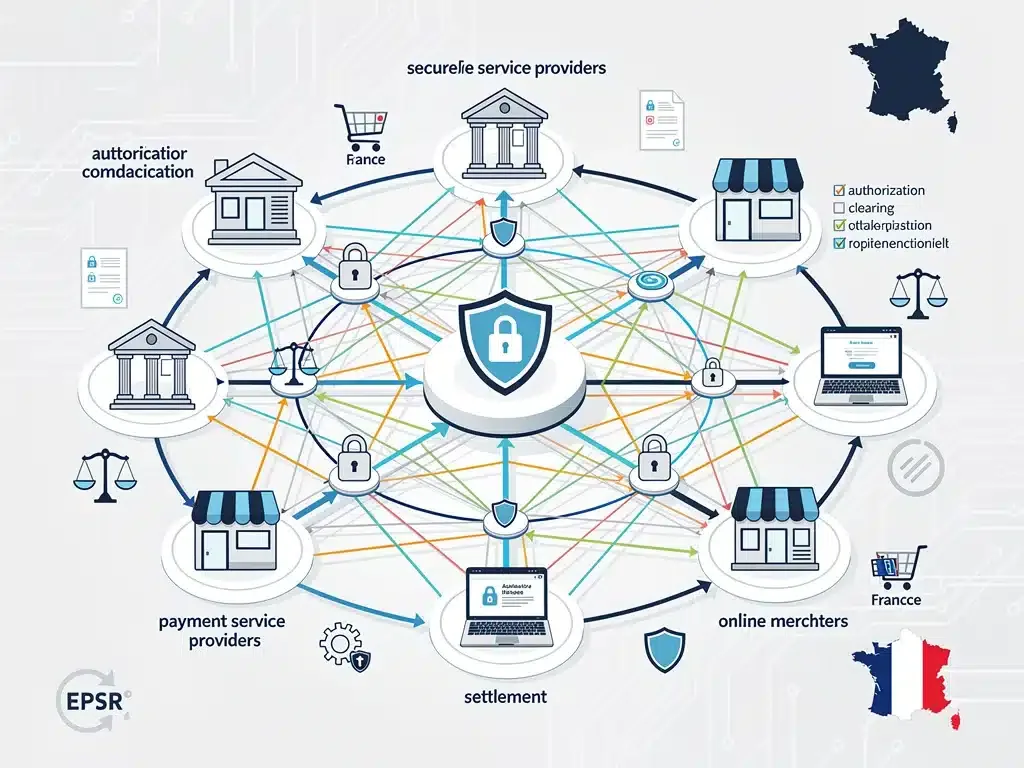
The EPSR will profoundly impact Payment Service Providers (PSPs) and banks operating in France, compelling them to re-evaluate their service offerings and technological capabilities.
These entities play a central role in facilitating online transactions and will bear a significant responsibility in ensuring the smooth implementation of the regulation.
PSPs and banks must invest heavily in upgrading their infrastructure to support the enhanced security and data protection requirements. This includes developing new authentication methods and ensuring their systems can securely process a broader range of payment data.
Collaboration between PSPs, banks, and merchants will be more critical than ever. Effective communication and synchronized efforts are necessary to ensure that the entire payment ecosystem in France is prepared for the EPSR deadline.
Challenges and Opportunities for Financial Institutions
While the EPSR presents significant compliance challenges for financial institutions, it also opens doors for innovation and new service development. Banks and PSPs that proactively adapt can gain a competitive advantage by offering more secure, transparent, and efficient payment solutions.
The regulation encourages the adoption of open banking principles, potentially fostering greater competition and innovation in the payment sector. This could lead to the emergence of new payment products and services that benefit both businesses and consumers in France.
However, the initial investment in technology and compliance will be substantial. Financial institutions must carefully balance these costs with the long-term benefits of enhanced security, improved customer trust, and a modernized payment landscape.
Consumer Protection and Rights under EPSR
A core tenet of the EPSR is the strengthening of consumer protection and rights, particularly concerning online transactions. French consumers will benefit from increased security measures, greater transparency, and more robust mechanisms for dispute resolution.
The regulation aims to reduce payment fraud and ensure that consumers are adequately protected against unauthorized transactions. This includes clearer procedures for reporting fraud and faster resolution times for consumer complaints.
Empowering consumers with more control over their payment data and providing clear information about transaction costs will foster greater trust in online payment systems. This is a positive development for the entire digital economy in France.

Strengthening Consumer Trust in Online Payments
The enhanced security features, such as stronger customer authentication, are designed to give consumers greater confidence when making online purchases. This increased trust is vital for the continued growth of e-commerce in France and across the EU.
Clearer communication from merchants and PSPs regarding transaction details and data usage will also contribute to building consumer trust. When consumers feel informed and secure, they are more likely to engage in online transactions.
The EPSR’s focus on consumer rights provides a solid legal framework that protects individuals from financial harm due to fraudulent activities or operational errors. This protection ultimately benefits the entire payment ecosystem by fostering a reliable environment.
Potential Challenges and Mitigation Strategies
Despite the long-term benefits, the implementation of the EPSR is not without its challenges for French businesses. The complexity of the new requirements, coupled with the need for significant technical and operational changes, could pose initial hurdles.
One major challenge is the potential for increased operational costs associated with system upgrades and compliance efforts. Businesses, especially small and medium-sized enterprises (SMEs), might struggle to allocate sufficient resources for these changes.
Ensuring interoperability between different payment systems and providers while adhering to the new standards also presents a technical challenge. Proactive engagement and collaboration are key mitigation strategies for these potential issues.
Navigating Compliance Costs and Technical Hurdles
French businesses must carefully budget for the compliance costs associated with the EPSR, including investments in new software, hardware, and staff training. Exploring government grants or industry support programs might help alleviate some of the financial burden for SMEs.
Addressing technical hurdles requires early planning and potentially engaging external experts. Businesses should conduct thorough assessments of their current payment infrastructure to identify gaps and prioritize necessary upgrades well before the July 2026 deadline.
Furthermore, maintaining open lines of communication with payment service providers is crucial. Understanding their roadmap for EPSR compliance can help businesses align their own strategies and avoid potential integration issues.
Ensuring a Smooth Transition for Customers
A critical aspect of mitigating challenges is ensuring that the transition to the new EPSR framework is as smooth as possible for customers. Any disruption to the online payment experience could lead to customer frustration and lost sales.
Businesses should clearly communicate upcoming changes to their customers, explaining the benefits of enhanced security and transparency. Providing clear instructions on new authentication processes can help customers adapt without difficulty.
Testing new payment flows thoroughly before the official implementation date is essential to identify and resolve any usability issues. A seamless customer experience during this transition period will be vital for retaining loyalty and confidence.
Long-Term Benefits for the French Digital Economy
While the immediate focus is on compliance, the EPSR Impacts French Online Transactions is expected to yield significant long-term benefits for the French digital economy.
These benefits include a more secure and efficient payment landscape, fostering greater innovation, and strengthening France’s position within the broader European single market.
Increased consumer trust in online payments, driven by enhanced security and protection, will likely lead to higher e-commerce adoption rates and transaction volumes. This growth will benefit online businesses across various sectors, stimulating economic activity.
Furthermore, the harmonization of payment rules across the EU will simplify cross-border transactions for French businesses, opening up new opportunities in the European market. A unified regulatory framework reduces complexity and administrative burdens for international trade.
Fostering Innovation and Market Integration
The EPSR is designed to encourage innovation in payment services by creating a level playing field and fostering competition. This could lead to the development of new, more efficient, and cost-effective payment solutions that benefit both businesses and consumers in France.
By streamlining regulations, the EPSR facilitates greater integration of payment markets across the EU. This means French businesses will find it easier to expand their operations into other European countries, and vice versa, boosting economic collaboration.
The push for open banking and standardized APIs will also enable greater collaboration between traditional financial institutions and FinTech innovators. This synergy can drive rapid advancements in payment technology and service delivery.
Staying Ahead: Continuous Monitoring and Adaptation
For French businesses, preparing for the EPSR Impacts French Online Transactions is not a one-time event but an ongoing process of monitoring and adaptation. The regulatory landscape is dynamic, and continuous vigilance will be necessary to remain compliant and competitive.
Regularly reviewing official guidance and updates from the European Commission and relevant French authorities is crucial. Staying informed about any amendments or supplementary regulations will ensure that businesses can adjust their strategies proactively.
Furthermore, businesses should foster a culture of continuous improvement in their payment processes and security measures. This proactive approach will not only ensure compliance with the EPSR but also position them to adapt to future changes in the digital payment ecosystem.
| Key Point | Brief Description |
|---|---|
| Implementation Date | EPSR takes effect in July 2026, requiring immediate action from businesses. |
| Enhanced Security | Mandates stronger customer authentication and fraud prevention measures. |
| Business Preparation | Requires technical upgrades, process reviews, and staff training for compliance. |
| Consumer Rights | Strengthens protection, transparency, and dispute resolution for online payments. |
Frequently Asked Questions About EPSR in France
What is the New European Payment Systems Regulation (EPSR)?▼The EPSR is a comprehensive EU regulation aimed at modernizing and securing payment services across member states. It introduces new rules for payment service providers, banks, and merchants, focusing on enhanced security, consumer protection, and transparency in online transactions, particularly affecting French online transactions.
When does EPSR come into effect for French online transactions?▼The New European Payment Systems Regulation (EPSR) will officially impact French online transactions starting from July 2026. This deadline gives businesses a crucial window to adapt their systems and processes to ensure full compliance with the new regulatory framework.
How will EPSR affect French online businesses?▼French online businesses will need to implement stricter security measures, including enhanced Strong Customer Authentication (SCA), and ensure greater transparency in transaction fees. They must also update their data protection policies and dispute resolution processes to align with the new consumer rights under the EPSR.
What steps should French businesses take to prepare for EPSR?▼Preparation involves technical upgrades to payment gateways, reviewing internal operational processes, and comprehensive staff training. Engaging early with payment service providers and financial institutions is crucial to understand specific requirements and ensure seamless integration of new systems. This prepares for the New European Payment Systems Regulation (EPSR).
What are the long-term benefits of EPSR for France?▼In the long term, the EPSR is expected to foster a more secure, efficient, and innovative digital payment landscape in France. It will increase consumer trust in online transactions, promote e-commerce growth, and simplify cross-border payments, strengthening France’s position in the European digital single market.
Looking Ahead
The implementation of the EPSR Impacts French Online Transactions marks a significant evolution in the digital payment landscape. It underscores a commitment to enhanced security and consumer protection, setting a new standard for online transactions.
French businesses that proactively embrace these changes will not only ensure compliance but also position themselves for sustained growth in an increasingly digital and integrated European market.
Continuous monitoring of regulatory updates and strategic adaptation will be key to navigating this new era of payment systems.