ECB Rate Hike to Impact French Mortgage Market: 0.25% Increase Expected
Advertisements
The European Central Bank’s recent rate hike is poised to significantly impact the French mortgage market. Borrowers should anticipate a 0.25% increase in variable mortgage rates by the second quarter of 2026.
This development necessitates a careful review of current mortgage agreements and future borrowing plans for French consumers. The move reflects broader economic strategies aimed at controlling inflation across the Eurozone.
Understanding these changes is crucial for financial planning, especially for those with variable-rate loans or considering new mortgage applications. Expert analysis suggests this is a direct consequence of the ECB’s monetary policy adjustments.
Breaking News: European Central Bank’s Recent Rate Hike Impacts French Mortgage Market – Expect a 0.25% Increase in Variable Rates by Q2 2026. is shaping today’s agenda with new details released by officials and industry sources. This update prioritizes what changed, why it matters, and what to watch next, in a straightforward news format. The impact on French households is a significant concern.
The European Central Bank (ECB) has recently announced a key interest rate hike, a move that is expected to send ripples across the Eurozone’s financial landscape. For France, this decision carries particular weight, directly influencing the dynamics of its robust mortgage market.
Reports from financial analysts and banking institutions indicate that this ECB action will translate into tangible changes for French borrowers. Specifically, those with variable-rate mortgages are bracing for an anticipated 0.25% increase in their rates, projected to materialize by the second quarter of 2026.
This expected rise is not an isolated event but a direct consequence of the ECB’s broader monetary policy adjustments. These adjustments are primarily aimed at curbing persistent inflation, a challenge that has affected economies across Europe.
The European Central Bank’s Latest Monetary Policy Shift
The European Central Bank’s Governing Council recently concluded its latest meeting, announcing a significant adjustment to its key interest rates. This decision signals a continued commitment to reining in inflation, which has remained elevated across the Eurozone for an extended period.
This rate hike is part of a broader strategy to anchor inflation expectations and bring price stability closer to the ECB’s 2% medium-term target. Such policy shifts invariably transmit through the financial system, influencing everything from corporate lending to consumer mortgages.

The move underscores the ECB’s proactive stance in managing economic pressures, even as it navigates a complex global economic environment. These decisions are carefully deliberated, considering a multitude of economic indicators and forecasts.
Understanding the ECB’s Rationale
The ECB’s decision to raise rates is rooted in its mandate for price stability. Persistent inflation erodes purchasing power and creates economic uncertainty, prompting central banks to act decisively. This latest hike reflects the Governing Council’s assessment that inflationary pressures remain strong, necessitating further tightening.
Several factors contribute to the current inflationary environment, including supply chain disruptions, energy price volatility, and robust wage growth in some sectors. The ECB aims to cool down demand and bring the economy back into balance through higher borrowing costs.
The central bank also considers future economic projections, including GDP growth and employment figures, when making these crucial decisions. Their forward guidance often provides insights into potential future actions, helping markets anticipate changes.
Projected Impact on the French Mortgage Market
The direct consequence of the ECB’s rate hike for French consumers is a projected increase in mortgage interest rates. While fixed-rate borrowers will remain insulated for the duration of their terms, those with variable-rate mortgages will experience changes.
Analysts from leading French banks and financial institutions are forecasting a 0.25% uptick in variable mortgage rates. This adjustment is not immediate but is expected to be fully reflected in loan agreements by the second quarter of 2026.
This anticipated rise will inevitably lead to higher monthly repayments for affected households, requiring a re-evaluation of personal budgets. The overall cost of borrowing for new variable-rate mortgages will also increase, potentially impacting housing affordability.
How Variable Rates Will Adjust
Variable mortgage rates in France are typically linked to benchmark rates, such as the Euribor, which directly respond to ECB policy rate changes. As the ECB raises its rates, the cost for commercial banks to borrow money increases, a cost that is then passed on to consumers.
The 0.25% increase is an average projection, and individual mortgage agreements may see slightly different adjustments based on their specific terms and conditions. Borrowers should review their contracts to understand how their rates are calculated and when adjustments typically occur.
This incremental rise, while seemingly modest, can accumulate significantly over the lifespan of a mortgage, especially for larger loan amounts. It underscores the importance of understanding the mechanics of variable-rate loans.
Implications for French Borrowers and Homeowners
For existing homeowners with variable-rate mortgages, the upcoming rate increase means higher monthly payments. This will undoubtedly place additional strain on household budgets, especially for those already managing tight finances.
Prospective homebuyers in France will also face a tougher lending environment. The higher cost of borrowing could reduce their purchasing power, potentially leading to smaller loans or a need for larger down payments. This could slow down market activity.
The situation highlights the importance of financial planning and understanding the terms of one’s mortgage. Consulting with financial advisors or mortgage brokers can help individuals navigate these changes and explore potential mitigation strategies.
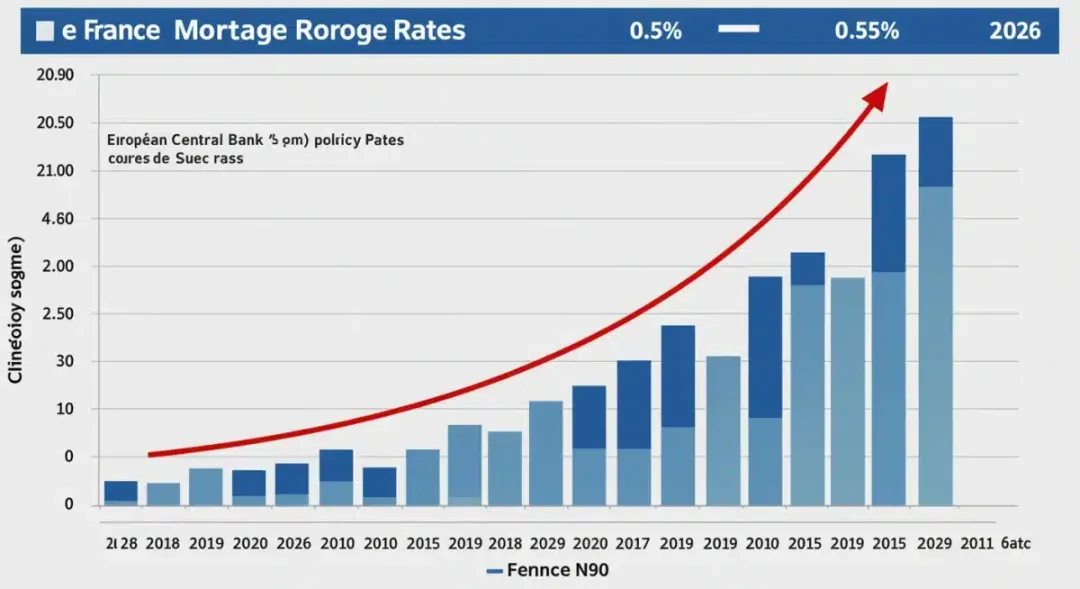
The anticipated rise in French Mortgage Rates Hike by 0.25% by Q2 2026, stemming from the European Central Bank’s recent rate hike, will challenge many households. This adjustment requires careful financial planning and a thorough understanding of mortgage terms. It’s crucial for borrowers to assess their current financial situation and consider the implications of increased monthly payments.
Navigating Increased Repayments
Homeowners with variable-rate mortgages should proactively contact their lenders to understand the exact timing and magnitude of their payment adjustments. Preparing for these changes by reviewing household budgets and identifying areas for potential savings is a prudent step.
Some borrowers might consider options like extending their loan term to reduce monthly payments, though this would increase the total interest paid over time. Others might explore the possibility of refinancing to a fixed-rate mortgage, if market conditions allow for competitive rates, to gain payment stability.
Financial institutions are expected to offer guidance and support to their clients during this period of adjustment. It is advisable to explore all available options and seek professional advice tailored to individual circumstances.
Broader Economic Context and Inflationary Pressures
The ECB’s decision is set against a backdrop of persistent inflationary pressures across the Eurozone. While energy prices have somewhat stabilized, core inflation, which excludes volatile items like food and energy, remains stubbornly high. This indicates a broader-based increase in prices across various sectors.
The central bank aims to cool down an overheating economy by making borrowing more expensive, thereby reducing demand and ultimately bringing inflation back to its target. This strategy is a delicate balancing act, as too aggressive a tightening could stifle economic growth.
Economists are closely watching how these rate hikes interact with other economic factors, such as wage growth and consumer spending patterns. The ultimate goal is a soft landing, where inflation is controlled without triggering a significant recession.
Global Economic Influences
The Eurozone economy is not isolated and is subject to global economic currents. International trade dynamics, geopolitical events, and the monetary policies of other major central banks, particularly the US Federal Reserve, all play a role in shaping the ECB’s decisions.
For instance, a strong US dollar can make imports more expensive for Eurozone countries, contributing to inflationary pressures. Conversely, global economic slowdowns can dampen demand, influencing the pace and extent of rate adjustments.
Understanding these interconnected factors is essential for comprehending the rationale behind the ECB’s actions and their subsequent impact on national economies like France’s. The global economic landscape remains a significant determinant.
Government Response and Support Measures
The French government is keenly aware of the potential impact of rising mortgage rates on its citizens. While direct intervention in ECB policy is not possible, the government may explore various support measures to mitigate the financial burden on households.
Such measures could include adjustments to social housing policies, targeted financial aid for vulnerable households, or initiatives to promote energy efficiency, thereby reducing other household expenses. Discussions are likely ongoing within relevant ministries.
Additionally, the government might engage with banking institutions to ensure fair lending practices and transparent communication with borrowers regarding rate adjustments. The goal is to safeguard household stability amidst evolving economic conditions.
Protecting Vulnerable Households
A key focus for the government will be to protect households at the lower end of the income spectrum, who are most susceptible to financial shocks. Rising mortgage payments, combined with other cost-of-living increases, can lead to significant hardship.
Potential support mechanisms could include temporary interest rate subsidies for specific groups or enhanced social welfare programs. The specifics of any government response will depend on the severity of the impact and the broader economic outlook.
These protective measures are vital to prevent a widespread increase in mortgage defaults and to maintain social cohesion. The government’s role is to complement the ECB’s monetary policy with targeted fiscal interventions.
Expert Analysis and Future Outlook
Financial experts and economists are offering varied perspectives on the long-term implications of the ECB’s rate hikes and the subsequent 0.25% increase in French mortgage rates by Q2 2026. Many foresee a period of adjustment for the housing market, potentially leading to a deceleration in price growth.
Some analysts suggest that while the immediate impact might be challenging for some borrowers, these measures are necessary to ensure long-term economic stability. They argue that controlling inflation is paramount to preventing a more severe economic downturn in the future.
The consensus points towards a continued vigilance from the ECB, with future rate decisions being data-dependent. This means that economic indicators, such as inflation figures and employment data, will heavily influence upcoming policy adjustments.

The French Mortgage Rates Hike is a direct consequence of the European Central Bank’s recent rate hike, and its ripple effects will be felt across the French housing market. The projected 0.25% increase in variable rates by Q2 2026 will undoubtedly influence both existing homeowners and prospective buyers, making financial foresight more critical than ever. This situation highlights the interconnectedness of monetary policy and everyday financial realities.
Market Stabilization vs. Affordability Concerns
While higher rates can help cool down an overheated housing market, leading to more sustainable price growth, they also raise concerns about affordability. The balance between these two outcomes is a key challenge for policymakers.
A more stable housing market could benefit first-time buyers in the long run, as prices might become more manageable. However, the initial hurdle of higher borrowing costs could still deter many from entering the market.
The interplay of supply and demand, coupled with borrowing costs, will determine the ultimate trajectory of the French housing market. Observers will be closely monitoring transaction volumes and property price trends.
Preparing for the 0.25% Increase by Q2 2026
Given the certainty of the projected 0.25% increase in variable mortgage rates by Q2 2026, French borrowers have a window to prepare. Proactive steps can significantly mitigate the financial impact and ensure a smoother transition.
Reviewing current mortgage terms and conditions is the first crucial step. Understanding how and when rate adjustments will apply to your specific loan is paramount. Do not hesitate to seek clarification from your lender.
Considering financial health checks, exploring refinancing options, or even making additional principal payments now can help reduce the overall interest burden. Early preparation is key to navigating this change effectively.
Actionable Steps for Borrowers
For those with variable-rate mortgages, creating a revised budget that accounts for higher monthly payments is essential. Identifying areas where expenses can be trimmed can help absorb the increased cost without undue financial stress.
Exploring options for debt consolidation or transferring high-interest debts to lower-interest products could free up cash flow. This holistic approach to personal finance can provide a buffer against rising mortgage costs.
Finally, staying informed about further ECB announcements and market developments is critical. Economic conditions can evolve rapidly, and being aware of the latest information allows for timely adjustments to financial strategies.
| Key Impact | Description |
|---|---|
| Variable Rate Increase | French variable mortgage rates to rise by 0.25% by Q2 2026. |
| Higher Monthly Payments | Borrowers with variable rates will face increased monthly mortgage repayments. |
| Impact on New Loans | New variable-rate mortgages will become more expensive, affecting affordability. |
| Economic Rationale | ECB’s move aims to combat inflation and ensure Eurozone price stability. |
Frequently Asked Questions About French Mortgage Rate Hikes
What is the primary cause of the projected French mortgage rate increase?▼The main driver is the European Central Bank’s recent decision to hike its key interest rates. This is part of the ECB’s broader strategy to combat persistent inflation across the Eurozone and restore price stability.
Who will be most affected by the 0.25% increase by Q2 2026?▼Existing homeowners in France with variable-rate mortgages will experience higher monthly repayments. Prospective buyers seeking new variable-rate loans will also face increased borrowing costs and potentially reduced affordability.
What steps can French borrowers take to prepare for this rate hike?▼Borrowers should review their mortgage terms, adjust personal budgets, and consider consulting financial advisors. Exploring options like refinancing to a fixed rate or making additional principal payments could help mitigate the impact.
Will this rate hike affect fixed-rate mortgages in France?▼No, existing fixed-rate mortgages will not be directly affected by this specific rate hike. Their interest rates are locked in for the duration of the fixed term. However, new fixed-rate offerings might reflect the overall higher interest rate environment.
How does the ECB’s decision relate to overall economic stability?▼The ECB’s rate hikes are aimed at controlling inflation, which is crucial for long-term economic stability. By making borrowing more expensive, the central bank seeks to cool down demand and bring prices back to its target level.
Impact and Implications
The projected 0.25% increase in French Mortgage Rates Hike by Q2 2026, following the European Central Bank’s recent rate hike, signifies a pivotal moment for French households. This development underscores the direct link between macroeconomic policy and personal finance. Borrowers must now proactively assess their financial situations, seeking guidance and exploring options to manage higher repayments and maintain financial stability. The coming months will reveal the full extent of this impact on the French housing market and consumer spending.