Deploying Hardware Security Keys: Eliminating Passwords by 2026
Advertisements
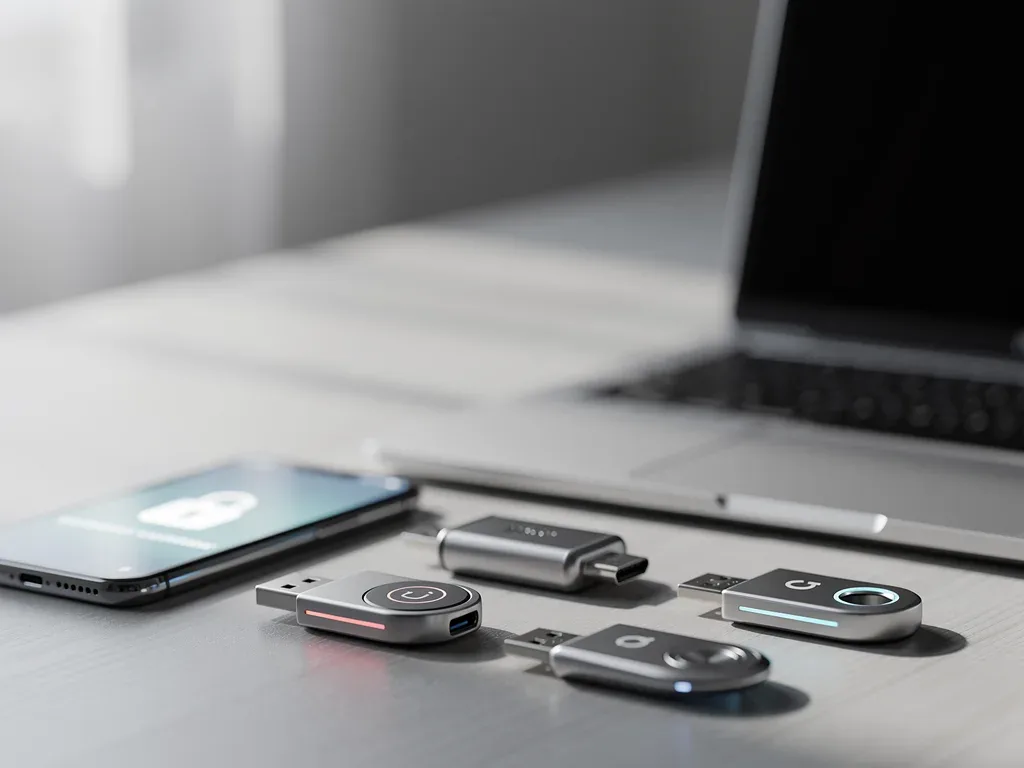
Moving toward a completely passwordless enterprise environment requires transitioning away from vulnerable text codes and legacy multi-factor authentication methods.
Executing a strategic Hardware Security Keys Deployment empowers organizations to systematically replace static credentials with unphishable, public-key cryptographic authenticators.
Integrating physical FIDO2 keys and WebAuthn standards across corporate identity networks effectively neutralizes credential harvesting and adversary-in-the-middle attacks.
This seamless security transition simplifies employee access workflows while drastically reducing password reset support tickets for IT infrastructure teams.
Are your enterprise access protocols prepared to meet zero-trust compliance standards this year? Here is how leading IT organizations are rolling out physical security tokens to phase out legacy credentials completely by 2026.
The Imperative for Passwordless Security in 2026
The landscape of digital security is undergoing a seismic shift, with a clear trajectory towards eliminating traditional passwords. By 2026, Hardware Security Keys Deployment is projected to be a cornerstone of this transformation, offering a robust defense against pervasive cyber threats.
This move is not merely an upgrade; it represents a fundamental rethinking of how users authenticate themselves across critical online platforms.
The vulnerabilities inherent in password-based systems have long been exploited, making a more secure alternative an urgent necessity for both individuals and organizations.
As major tech ecosystems align on this vision, understanding the practical steps for integrating these physical authenticators becomes paramount. This guide provides a detailed roadmap for securing your digital life with hardware security keys.
Understanding Hardware Security Keys: The Foundation of Trust
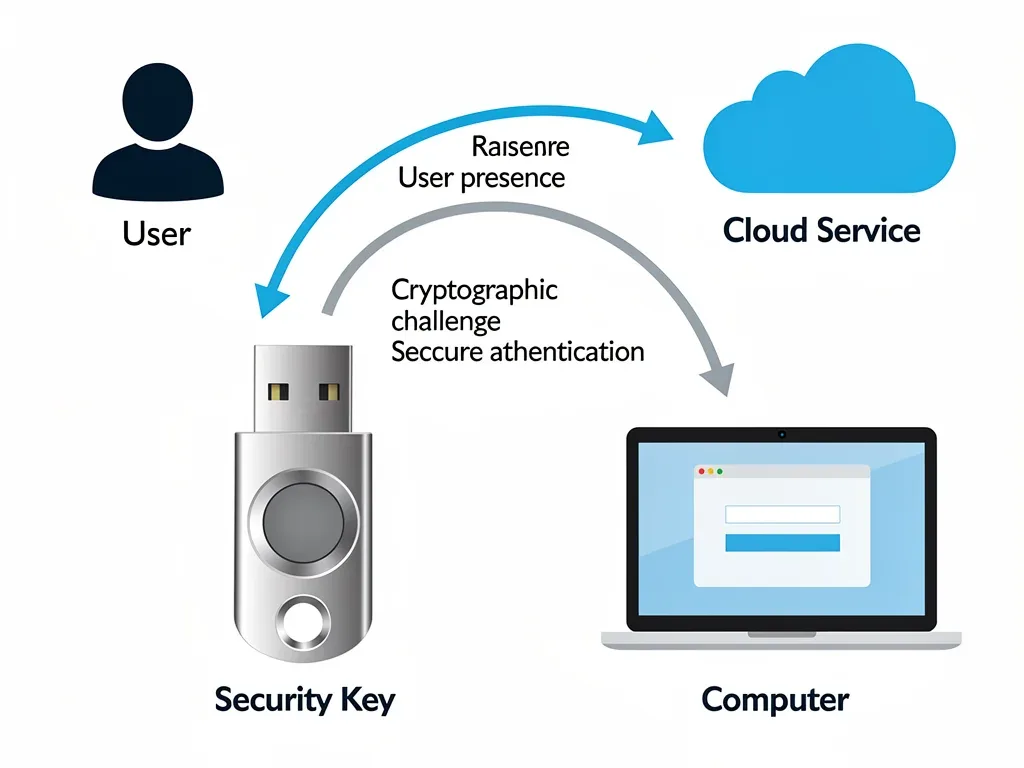
Hardware security keys are small physical devices that provide a much stronger form of authentication than passwords or even software-based multi-factor authentication (MFA). They leverage cryptographic protocols, often FIDO2/WebAuthn standards, to verify a user's identity securely.
These keys operate by generating unique cryptographic keys that are nearly impossible to phish or compromise, significantly reducing the risk of account takeover. Their physical nature adds an essential layer of security, as an attacker would need physical possession of the key to gain unauthorized access.
The widespread adoption of these devices is driven by their unparalleled security benefits and increasing ease of use. As more platforms support FIDO standards, the friction associated with Hardware Security Keys Deployment is rapidly diminishing.
How Hardware Keys Enhance Security
Hardware security keys provide phishing-resistant authentication, meaning that even if a user is tricked into entering credentials on a fake website, the key will not authenticate the fraudulent site. This critical feature distinguishes them from SMS-based or app-based MFA.
They also offer protection against man-in-the-middle attacks and credential stuffing, which are common tactics used by cybercriminals. The cryptographic process ensures that the authentication is tied directly to the legitimate service, making impersonation extremely difficult.
Key Benefits for Users and Organizations
Phishing Resistance: Virtually eliminates phishing as an attack vector.
Stronger MFA: Provides a superior alternative to less secure MFA methods.
Ease of Use: Simple tap or touch for authentication, replacing complex passwords.
Regulatory Compliance: Helps meet stringent security regulations and standards.
Step-by-Step Deployment Across Tech Ecosystems
The successful Hardware Security Keys Deployment requires a systematic approach across various tech ecosystems. While the core principle remains consistent, specific steps and considerations vary slightly depending on the platform.
Organizations and individual users must plan carefully, ensuring compatibility and proper integration. This section outlines the general steps applicable to major ecosystems, including Google, Microsoft, Apple, and various enterprise platforms.
The goal is to transition smoothly from password-centric authentication to a more secure, passwordless future. This involves user education, device provisioning, and ongoing management to maintain security posture.
Google Ecosystem: Securing Your Accounts
For Google accounts, including Gmail, Google Workspace, and Android devices, hardware security keys are a robust option. Google has been a pioneer in promoting FIDO standards and offers strong support for these devices.
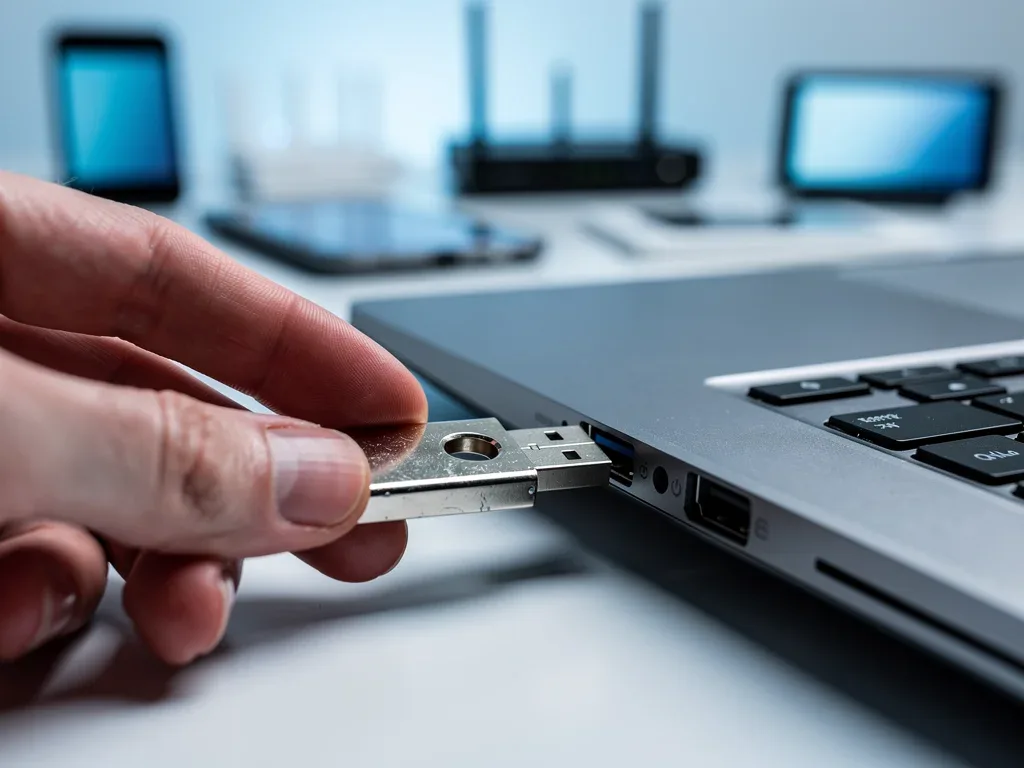
To deploy a hardware security key with Google, users typically navigate to their Google Account security settings, select "2-Step Verification," and then choose to add a security key. This process usually involves plugging in the key and following on-screen prompts to register it.
It is advisable to register at least two keys: one primary and one backup, to prevent lockout scenarios. Google's advanced protection program specifically recommends hardware keys for high-risk individuals.
Microsoft Ecosystem: Enterprise and Personal Use
Microsoft has made significant strides in supporting passwordless authentication, particularly for enterprise users with Azure Active Directory (AAD) and personal Microsoft accounts. Hardware Security Keys Deployment within Microsoft's ecosystem often leverages Windows Hello and FIDO2.
For AAD users, administrators can enable FIDO2 security keys as an authentication method through the Azure portal. Users can then register their keys via their account security settings or through Windows 10/11 settings, linking the key to their organizational identity.
Personal Microsoft account users can also add security keys to their accounts, enhancing protection for Outlook, OneDrive, and other services. This integration marks a significant step towards a truly passwordless experience across Windows devices and cloud services.
Apple and Other Major Platforms: Expanding Coverage
Apple has increasingly embraced hardware security keys, particularly with the introduction of security key support for Apple IDs.
This allows users to secure their iCloud data, iMessage, and other Apple services with physical keys, moving beyond traditional passwords and even software-based 2FA.
The process involves adding security keys through the Apple ID settings on an iPhone, iPad, or Mac. Users are guided to register their keys, and similar to Google, it is recommended to register multiple keys for redundancy. This move significantly bolsters the security of Apple's ecosystem against advanced threats.
Beyond these giants, numerous other platforms, including social media, financial services, and VPN providers, now support FIDO-compliant hardware security keys. Checking the security settings of frequently used services for "security key" or "FIDO" options is crucial for comprehensive Hardware Security Keys Deployment.
Enterprise Considerations for Mass Deployment
For organizations, mass Hardware Security Keys Deployment involves more than just individual registration. It requires careful planning, procurement of suitable keys, and robust user training programs.
IT departments need to establish clear policies for key issuance, recovery, and revocation. Integration with existing identity and access management (IAM) systems, such as Okta or Duo, is often a critical step to ensure a seamless transition for employees.
Pilot programs are highly recommended to iron out any technical or user experience issues before a full-scale rollout. This methodical approach ensures higher adoption rates and minimizes disruption.
Challenges and Best Practices in Implementation
User Education: Training users on how to use and manage their keys is vital for successful adoption.
Key Management: Establishing clear procedures for lost or stolen keys, and ensuring backups are in place.
Compatibility: Verifying that chosen hardware keys are compatible with all necessary systems and devices.
Phased Rollout: Implementing keys in stages, starting with smaller groups or less critical applications.
The Future of Authentication: Beyond Passwords
The drive towards Hardware Security Keys Deployment by 2026 is part of a broader industry trend towards a passwordless future. This future envisions a world where users authenticate seamlessly and securely, without the cognitive burden and security risks associated with passwords.
Biometrics, such as facial recognition and fingerprint scanning, are also playing a significant role, often working in conjunction with hardware keys or as part of the FIDO standard itself.
The combination of "something you have" (the key) and "something you are" (biometrics) creates an incredibly strong authentication posture.
As technology evolves, we can expect even more integrated and user-friendly passwordless solutions. However, hardware security keys are currently the gold standard for phishing-resistant authentication, making their deployment a critical step.
This shift is not just about security; it's about improving the user experience and reducing the operational overhead associated with password resets and compromised accounts. The long-term benefits far outweigh the initial investment in deployment.
Key Aspect | Description |
|---|---|
Password Elimination | Hardware keys are central to achieving a passwordless future by 2026. |
Enhanced Security | Offers superior protection against phishing, malware, and account takeovers. |
Ecosystem Integration | Step-by-step guides for Google, Microsoft, Apple, and other platforms. |
Deployment Challenges | Addresses user education, key management, and compatibility issues. |
Frequently Asked Questions About Hardware Security Keys
What exactly is a hardware security key?▼
A hardware security key is a physical device used for strong authentication, often replacing passwords. It generates cryptographic keys to verify identity, making it highly resistant to phishing and other online attacks. These keys are typically small, USB-based, or NFC-enabled.
Why are hardware security keys considered more secure than traditional passwords?▼
Hardware keys offer superior security because they are phishing-resistant and rely on cryptographic principles. Unlike passwords, which can be stolen or guessed, a hardware key requires physical presence and cannot be easily replicated or intercepted by remote attackers, significantly reducing compromise risk.
Can I use a single hardware security key for all my accounts?▼
Yes, most modern hardware security keys, especially those supporting FIDO2/WebAuthn standards, can be used across multiple services and ecosystems. This streamlines the authentication process and reduces the need for multiple physical tokens, enhancing user convenience while maintaining high security levels.
What happens if I lose my hardware security key?▼
Losing a key can be problematic, which is why it's crucial to always register at least one backup key. Most platforms also offer alternative recovery methods, such as backup codes or other authentication factors, to regain access to your account. Promptly revoking a lost key is also essential.
Which tech ecosystems currently support hardware security keys?▼
Major tech ecosystems like Google, Microsoft, and Apple now widely support hardware security keys for account authentication. Additionally, many other platforms, including social media, cloud services, and enterprise applications, have integrated FIDO-based authentication, expanding the reach of these devices.
Looking Ahead: The Passwordless Horizon
The push for Hardware Security Keys Deployment by 2026 signals a definitive shift towards a more secure and user-friendly digital future.
This transformation will fundamentally alter how individuals and organizations protect their most sensitive information.
As the technology matures and adoption grows, the reliance on vulnerable passwords will diminish, paving the way for ubiquitous, phishing-resistant authentication methods. Keeping abreast of platform updates and security best practices will be crucial for navigating this evolving landscape successfully.