New EU Directive on Digital Wallets to Be Implemented in France by October 2026: Security Updates and Consumer Protections
Advertisements
How would you like to carry your ID, driver’s license, and bank details securely on your smartphone? The upcoming rollout of the official EU Digital Wallet is about to make this a reality for everyone in France.
This state-backed virtual identification app marks a massive shift in how French citizens interact online. The new regulatory framework updates standard consumer protections while bringing highly advanced cryptographic security directly to your touchscreen.
With the official implementation deadline fast approaching in October 2026, the French government is finalizing critical infrastructure updates. Here is exactly what is changing, why your data privacy is getting a major upgrade, and what to monitor next.
France Prepares for EU Digital Wallet Overhaul by October 2026
France is actively preparing for the implementation of the New EU Directive on Digital Wallets, with a firm deadline set for October 2026.
This directive represents a significant step towards harmonizing digital payment systems and enhancing user trust across the European Union.
The upcoming changes are poised to impact millions of consumers and businesses, requiring substantial adaptations to existing digital wallet infrastructures.
Authorities are emphasizing a smooth transition, focusing on clarity and support for all stakeholders involved in this major financial evolution.
This initiative underscores the EU’s commitment to fostering a secure and integrated digital single market, where financial transactions are not only efficient but also robustly protected against emerging threats.
The directive is a direct response to the growing reliance on digital payment methods.
Key Provisions of the New EU Digital Wallet Directive
The directive introduces several critical provisions designed to bolster security and safeguard consumer interests within the digital finance landscape. These measures aim to create a more resilient and trustworthy environment for digital transactions.
It delineates new standards for authentication, data handling, and interoperability, ensuring that digital wallets offer consistent levels of protection regardless of the provider. The focus is on minimizing fraud and unauthorized access to personal financial information.
Furthermore, the directive seeks to empower consumers with greater control over their data, mandating transparent consent mechanisms and clear recourse options in case of security breaches. This puts the user at the center of the digital finance ecosystem.
Enhanced Security Measures and Data Privacy
Under the new directive, digital wallet providers will be required to implement advanced encryption protocols and multi-factor authentication for all transactions. These stringent security updates are intended to significantly reduce the risk of cyberattacks and data theft.
The directive also places a strong emphasis on data minimization, meaning providers should only collect and process data that is absolutely necessary for the provision of services. This approach aims to protect user privacy by limiting exposure of sensitive information.
- Mandatory strong customer authentication (SCA) for transactions.
- Strict data encryption standards for all stored financial information.
- Regular security audits and vulnerability assessments for providers.
Consumer Protection and Rights
Consumers will benefit from enhanced rights, including clearer terms and conditions, simplified dispute resolution mechanisms, and improved transparency regarding fees and charges. This ensures users are fully informed and protected.
The directive also introduces liability rules for unauthorized transactions, shifting more responsibility onto providers to protect users from financial losses. This provision is crucial for building consumer confidence in digital wallet services.
- Right to clear and comprehensive information on services.
- Streamlined process for reporting and resolving unauthorized transactions.
- Increased protection against fraudulent activities and scams.
Impact on Digital Wallet Providers in France
Digital wallet providers operating in France face a significant undertaking to align their systems and practices with the new EU directive. This will necessitate considerable investment in technology upgrades and operational adjustments.
Compliance will involve re-evaluating existing security frameworks, updating data privacy policies, and potentially redesigning user interfaces to meet the new transparency requirements. The October 2026 deadline provides a structured timeline for these changes.
Providers are already engaging with regulatory bodies to understand the nuances of the directive and ensure a smooth transition, aiming to minimize disruption for their customer base. Early preparation is key to successful implementation.

Technical and Operational Adjustments Required
The technical adjustments include integrating new APIs for enhanced interoperability and upgrading backend systems to handle stricter data processing rules. Operational changes will involve staff training and revised customer support protocols.
Meeting the robust security standards will demand continuous monitoring and rapid response capabilities to emerging threats, pushing providers to adopt a proactive cybersecurity posture. This is a continuous process of improvement and adaptation.
Furthermore, providers will need to ensure their services are accessible to all users, including those with disabilities, aligning with broader EU accessibility guidelines. This promotes inclusivity in the digital financial ecosystem.
Benefits for French Consumers and Businesses
The implementation of the New EU Digital Wallet Directive promises substantial benefits for both consumers and businesses across France. These advantages extend beyond mere compliance, fostering a more robust digital economy.
Consumers can expect a safer and more uniform digital payment experience, reducing anxieties associated with online financial transactions. This increased confidence is vital for accelerating the adoption of digital wallets.
For businesses, the directive offers a standardized framework that can streamline operations and potentially reduce the costs associated with managing diverse payment systems. This creates a more predictable regulatory environment for innovation.
Increased Trust and Adoption of Digital Payments
By enhancing security and consumer protections, the directive is expected to significantly boost public trust in digital wallets. This increased trust will likely lead to a wider adoption of digital payment methods throughout France.
Greater adoption can foster innovation in the fintech sector, encouraging new services and applications that leverage the secure framework established by the directive. This creates a fertile ground for financial technology advancements.
The standardized approach also simplifies cross-border transactions within the EU, benefiting both consumers traveling abroad and businesses engaged in international trade. This promotes a truly integrated European market.
Challenges and Considerations for Implementation
Despite the clear benefits, the implementation of the New EU Digital Wallet Directive in France presents several challenges that necessitate careful planning and execution. These hurdles range from technical complexities to public awareness.
One primary challenge involves ensuring all existing digital wallet providers, from large banks to agile fintech startups, can meet the new technical and operational requirements within the stipulated timeframe. This requires extensive coordination.
Another consideration is educating the public about the changes and the enhanced protections available to them, ensuring widespread understanding and adoption of the new secure practices. Effective communication campaigns will be crucial.
Ensuring Smooth Transition and Compliance
Regulatory bodies in France will play a crucial role in guiding providers through the compliance process, offering clear interpretations of the directive and providing necessary support. This collaborative approach is essential for success.
The directive also necessitates robust oversight mechanisms to monitor compliance and address any emerging issues promptly. This ongoing vigilance will ensure the integrity and effectiveness of the new digital wallet ecosystem.
Collaboration between public and private sectors will be key to identifying and mitigating potential roadblocks, ensuring that the transition is as seamless as possible for all users. This partnership approach strengthens the overall framework.
Timeline and Next Steps Towards October 2026
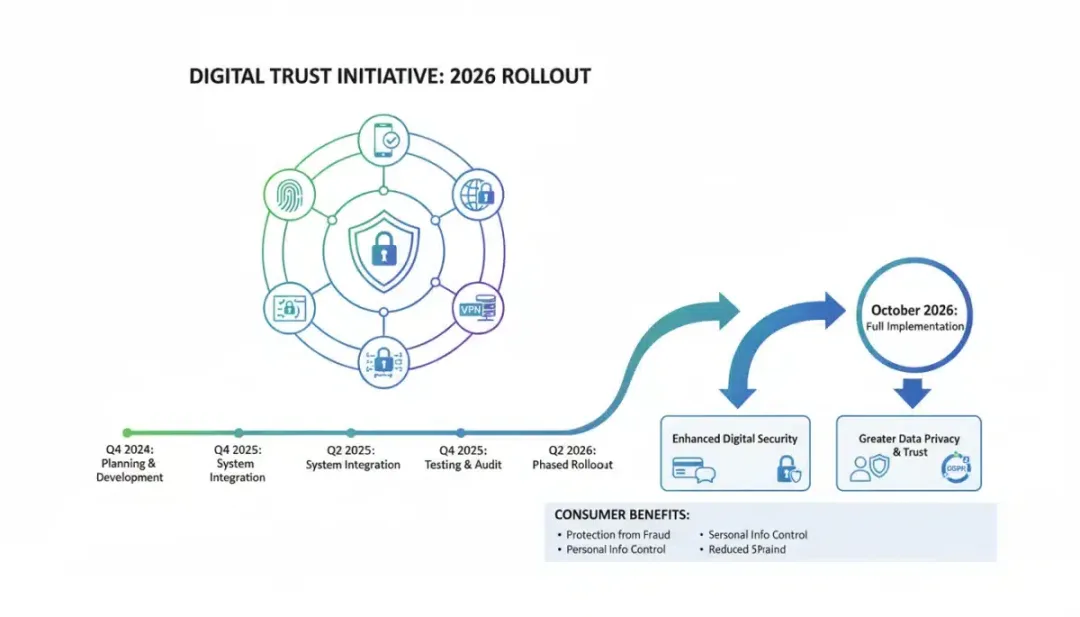
The October 2026 deadline for the New EU Directive on Digital Wallets is approaching rapidly, and various preparatory phases are already underway. This timeline is critical for all parties.
Currently, regulatory bodies are finalizing national legislation and guidelines that will transpose the EU directive into French law. This legal framework will provide the specific details for implementation within France.
Digital wallet providers are expected to accelerate their technical upgrades and operational adjustments over the next two years to be fully compliant by the deadline. This period allows for thorough testing and refinement of systems.
Phased Approach to Implementation
The implementation is likely to follow a phased approach, with initial guidelines and pilot programs preceding the full rollout. This allows for feedback and adjustments before the directive becomes fully mandatory.
Public awareness campaigns will also be launched to inform French citizens about the new digital wallet functionalities and the benefits of enhanced security. This empowers users to make informed choices.
Ongoing dialogue between industry players, consumer groups, and government agencies will be essential to address concerns and ensure that the directive achieves its objectives effectively. Continuous collaboration is vital for successful integration.
The Future of Digital Payments in France
The New EU Directive on Digital Wallets is set to redefine the landscape of digital payments in France. This transformation will bring significant advancements.
The enhanced security and consumer protections will not only safeguard users but also foster greater innovation and competition within the fintech sector. This creates a dynamic and evolving market.
Ultimately, France’s adoption of this directive positions it at the forefront of digital financial security within the European Union, contributing to a more integrated and trusted European digital economy. This move strengthens the entire EU financial ecosystem.
Long-term Vision for a Secure Digital Economy
The directive aligns with a broader EU vision for a secure, resilient, and consumer-centric digital economy. It represents a foundational step towards a future where digital transactions are seamless and inherently trustworthy.
This long-term vision includes continuous adaptation to technological advancements and emerging threats, ensuring that the regulatory framework remains relevant and effective. The directive is not a static measure but a dynamic one.
France’s commitment to implementing these standards reinforces its role as a key player in shaping the future of European digital finance. This leadership contributes to stronger financial stability across the continent.
| Key Aspect | Brief Description |
|---|---|
| Implementation Date | October 2026 for France. |
| Core Focus | Enhanced security and consumer protection. |
| Key Changes | Stronger authentication, data privacy, liability rules. |
| Beneficiaries | French consumers and digital payment businesses. |
Frequently Asked Questions About the New EU Digital Wallet Directive
What is the New EU Digital Wallet Directive?▼It’s a European Union regulation aimed at standardizing and significantly improving the security and consumer protections for digital wallets. This directive ensures consistent safeguards across all member states, including France, by October 2026, fostering trust in digital transactions.
When will this directive be implemented in France?▼The directive is scheduled to be fully implemented in France by October 2026. This deadline allows both regulators and digital wallet providers sufficient time to adapt their systems and comply with the new, stricter requirements for security and consumer data.
How will this directive enhance security for users?▼The directive mandates stronger customer authentication (SCA), advanced encryption, and more rigorous data protection protocols. These measures are designed to minimize fraud, prevent unauthorized access to digital wallets, and increase overall user confidence in digital payment systems.
What new consumer protections are included?▼Consumers will benefit from clearer information on service terms, streamlined dispute resolution processes, and improved liability rules for unauthorized transactions. These provisions empower users and offer greater recourse in case of issues with their digital wallets.
Who will be affected by these changes in France?▼All users of digital wallets in France, as well as all digital wallet providers, fintech companies, and financial institutions offering such services, will be directly affected. The changes aim to create a safer and more uniform digital financial environment for everyone.
What this means
The impending implementation of the New EU Directive on Digital Wallets marks a pivotal moment for digital finance in France. It signifies a collective European effort to establish a robust, secure, and user-centric digital payment ecosystem.
As the deadline approaches, continued vigilance from consumers and proactive adaptation from providers will be essential to fully realize the benefits of these comprehensive reforms.
This directive is a clear indication of the EU’s commitment to fostering trust and innovation in the ever-evolving digital landscape.