France’s 3-Month Credit Score Mastery Program for Young Adults by 2027
Advertisements

Taking your first steps into adulthood shouldn’t mean guessing your way through complex banking rules or risking your financial future. France’s newly launched Credit Score Mastery Program is changing the game, giving Gen Z a clear roadmap to take complete control of their personal finances.
This intensive twelve-week fiscal curriculum is specifically built to demystify loans, borrow responsibly, and build a pristine borrowing profile.
By breaking down bureaucratic barriers, the initiative empowers young people to unlock competitive rates for apartments, car loans, and future mortgages.
Ready to secure your financial freedom and learn how this national strategy is leveling up wealth-building skills? Let’s dive into how this practical framework will reshape the financial landscape for young adults across France by 2027.
The Imperative for Financial Literacy in France
The economic landscape in France, much like the rest of Europe, is constantly evolving, presenting both opportunities and challenges for young individuals. A solid understanding of financial principles is no longer a luxury but a fundamental necessity for personal and national economic stability.
Recent studies have highlighted significant gaps in financial knowledge among young adults, particularly concerning credit mechanisms and their long-term implications. This deficit can lead to poor financial decisions, increased debt, and limited access to essential financial products.
Recognizing this critical need, the French government, in partnership with educational institutions and financial bodies, has prioritized Credit Score Mastery Program as a cornerstone of its youth empowerment strategy.
Program Structure and Key Objectives
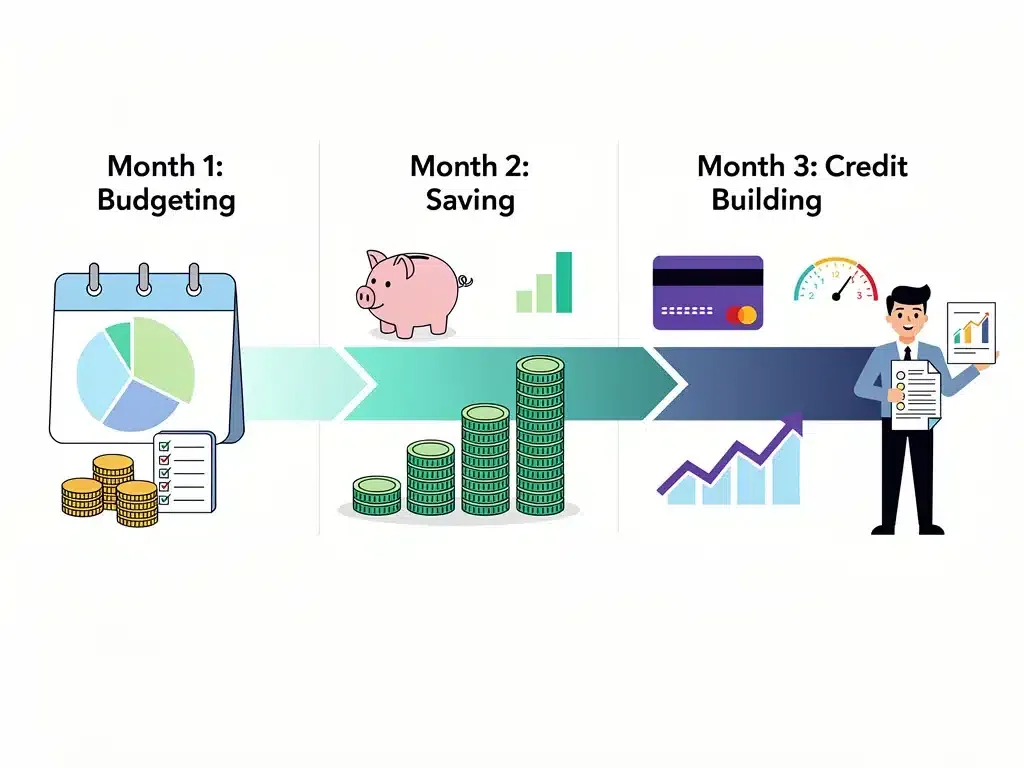
The curriculum is meticulously designed to be completed over three months, offering a concentrated yet comprehensive learning experience. It is structured into distinct modules, each building upon the previous one to ensure a holistic understanding of financial concepts.
The primary objective is to demystify credit scores, explaining their calculation, impact, and strategies for improvement. Beyond credit, the program covers budgeting, savings, debt management, and understanding various financial products available in France.
This initiative emphasizes practical application, with workshops, case studies, and interactive tools forming a core part of the learning process, ensuring participants can immediately apply what they learn.
Month 1: Foundations of Personal Finance
The initial month focuses on establishing a strong theoretical and practical foundation in personal finance. Participants delve into fundamental concepts that underpin all future financial decisions.
This includes understanding income, expenses, and the importance of budgeting. The goal is to equip young adults with the basic framework for managing their daily finances effectively.
- Introduction to budgeting and expense tracking.
- Understanding different types of income and taxation basics.
- Introduction to saving and setting financial goals.
- Overview of the French financial system and key institutions.
Month 2: Demystifying Credit and Debt
The second month is dedicated to the intricacies of credit and debt, which are often sources of confusion and anxiety for young adults. This module aims to provide clarity and practical guidance.
It covers how credit scores are calculated in France, the various factors that influence them, and the consequences of good versus bad credit. Responsible borrowing and lending practices are also thoroughly explored.
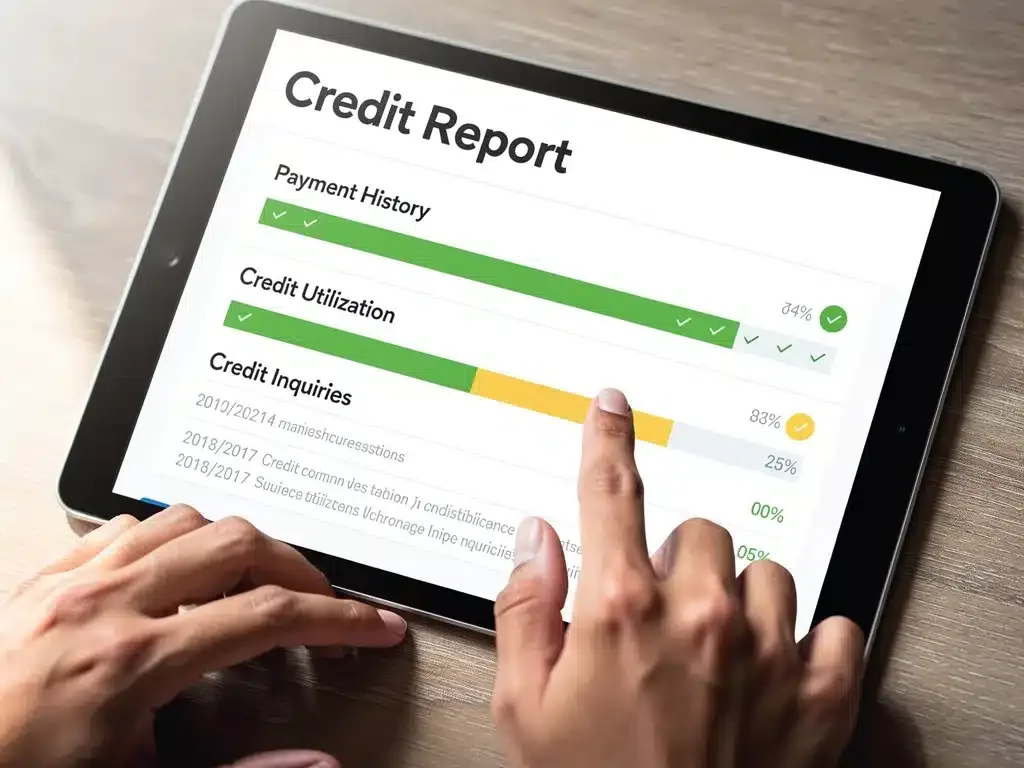
- Detailed explanation of credit scores and credit reports.
- Understanding different types of credit (e.g., consumer loans, mortgages).
- Strategies for building and maintaining a healthy credit profile.
- Effective debt management and avoidance techniques.
Implementation Challenges and Solutions
Implementing a nationwide curriculum of this magnitude presents several logistical and educational challenges. Ensuring uniform quality and accessibility across diverse regions of France requires careful planning and coordination.
One significant hurdle is engaging young adults who may initially perceive financial education as daunting or irrelevant. The program addresses this through interactive, gamified learning modules and relatable real-world scenarios.
Another challenge involves training a sufficient number of qualified instructors and providing them with up-to-date resources. Continuous professional development and a centralized resource hub are key components of the solution.
Ensuring Accessibility and Engagement
To maximize reach, the curriculum is being rolled out through various channels, including schools, vocational training centers, and online platforms. This multi-pronged approach ensures that young adults from all backgrounds can access the program.
Special attention is given to developing engaging content that resonates with the target demographic. This includes leveraging digital tools, social media, and peer-to-peer learning models to foster interest and participation in Credit Score Mastery Program.
Community outreach programs and partnerships with youth organizations are also crucial for promoting the curriculum and encouraging enrollment, ensuring no young adult is left behind in this vital educational push.
The Role of Technology in Financial Education
Technology plays a pivotal role in the delivery and effectiveness of this financial literacy curriculum. Digital platforms offer flexibility and scalability, allowing a broader audience to participate regardless of their geographical location.
Interactive apps, online simulations, and personalized learning paths are integral components of the program. These tools make complex financial concepts more digestible and provide immediate feedback to learners.
Furthermore, data analytics are employed to track participant progress and identify areas where additional support may be needed. This data-driven approach ensures the continuous improvement and relevance of the curriculum.
Leveraging Digital Tools for Learning
The integration of digital tools transforms traditional financial education into an interactive and dynamic experience. Gamified modules, for instance, turn learning into a challenge, motivating young adults to master financial concepts.
Online forums and virtual workshops facilitate peer interaction and expert guidance, creating a supportive learning community. These digital resources are essential for the widespread adoption of Credit Score Mastery Program.
Access to real-time financial data and hypothetical scenarios allows participants to practice decision-making in a safe environment, reinforcing the practical solutions offered by the program.
Measuring Success and Long-Term Impact
The success of the Credit Score Mastery Program will be measured through a combination of quantitative and qualitative metrics. These include pre- and post-program assessments, participant feedback, and long-term financial behavior tracking.
Key performance indicators will focus on improvements in credit scores, reduction in problematic debt, and increased participation in savings and investment schemes among program graduates. The goal is to see tangible improvements in financial well-being.
The long-term impact is expected to extend beyond individual financial health, contributing to a more financially resilient and informed society. This includes reduced reliance on social welfare programs and increased economic participation.
Anticipated Societal Benefits
A financially literate populace is better equipped to make informed decisions, contributing to overall economic stability. This curriculum aims to reduce instances of financial distress and predatory lending, particularly among vulnerable young adults.
By fostering a culture of responsible financial management, France anticipates a reduction in consumer debt and an increase in personal savings rates. These outcomes directly benefit the broader economy and future generations.
The program is also expected to enhance entrepreneurial spirit, as young adults with strong financial foundations are more likely to pursue business ventures with confidence and prudence.
Collaborations and Partnerships
The successful rollout of Credit Score Mastery Program relies heavily on robust collaborations. The French Ministry of Education, financial institutions, and non-profit organizations are working in concert.
Banks and credit unions are contributing expertise and resources, helping to develop realistic simulations and provide mentorship opportunities. These partnerships ensure the curriculum remains relevant and grounded in current financial practices.
Additionally, collaborations with technology firms are vital for creating user-friendly digital platforms and interactive learning tools. This multi-sector approach strengthens the program’s foundation and expands its reach.
Engaging the Financial Sector
The involvement of the financial sector is crucial for both content development and practical implementation. Financial experts provide invaluable insights into the nuances of credit reporting and personal finance management within the French context.
Many institutions are offering workshops and guest lectures, providing young adults with direct access to industry professionals. This engagement helps bridge the gap between theoretical knowledge and real-world financial operations.
Furthermore, some financial entities are exploring pathways to offer tailored products or services to graduates of the program, incentivizing participation and rewarding responsible financial behavior.
Future Prospects Beyond 2027
While the immediate focus is on achieving the 2027 target, the vision for financial literacy in France extends far beyond this initial phase. The curriculum is designed to be adaptable and scalable, allowing for continuous updates and expansion.
Future iterations may include more advanced topics such as investment strategies, retirement planning, and understanding global financial markets. The aim is to create a lifelong learning framework for financial empowerment.
The insights gained from this initial rollout will inform future policy decisions and educational initiatives, ensuring that France remains at the forefront of financial education for its youth.
The success of Credit Score Mastery Program is not just about meeting a deadline; it’s about building a sustainable model for financial well-being.
| Key Aspect | Brief Description |
|---|---|
| Program Goal | Young adults master credit scores and financial literacy by 2027. |
| Duration & Focus | 3-month curriculum emphasizing practical financial solutions. |
| Key Modules | Budgeting, savings, debt management, and credit score mechanics. |
| Impact | Enhanced financial resilience and informed decision-making for youth. |
Frequently Asked Questions about France’s Financial Literacy Program
What is the primary goal of this 3-month curriculum?▼The primary goal is to empower young adults in France with comprehensive financial literacy, specifically focusing on mastering credit scores by 2027. It aims to provide practical solutions and knowledge for responsible financial management, fostering economic independence.
Who is the target audience for this financial literacy program?▼The target audience comprises young adults across France. The curriculum is designed to be accessible through various educational and digital platforms, ensuring broad participation and addressing the widespread need for financial education among this demographic.
How will the program measure its success by 2027?▼Success will be measured through key performance indicators such as improved credit scores among participants, reduced problematic debt levels, and increased engagement in savings and investment activities. Post-program assessments and feedback will also be critical.
What practical skills will participants gain from the curriculum?▼Participants will gain practical skills in budgeting, effective debt management, understanding credit reports, and strategies for building a healthy credit profile. The program emphasizes real-world application, equipping them with actionable financial tools.
How is technology being utilized in delivering this curriculum?▼Technology is central to the curriculum’s delivery, utilizing interactive apps, online simulations, and personalized learning paths. These digital tools enhance engagement, provide immediate feedback, and ensure the program is scalable and accessible to a wide audience.
Perspectives
The rollout of Credit Score Mastery Program marks a pivotal moment for France’s youth. This initiative is more than an educational program; it is an investment in the nation’s future economic stability and individual empowerment.
As the curriculum progresses, its impact will be closely monitored, with early indicators suggesting a positive shift in financial behaviors.
The ongoing collaboration between government, educators, and the financial sector will be crucial in sustaining this momentum and adapting the program to evolving economic realities, ensuring a lasting legacy of financial acumen across France.