Navigating French Credit Bureau Reports 2026: 6 Key Sections Explained
Advertisements
Latest developments on Navigating French Credit Bureau Reports: An Educational Deep Dive into 6 Key Sections for 2026 (INSIDER KNOWLEDGE), with key facts, verified sources, and what readers need to monitor next in France, presented clearly in English (United States).
Navigating French Credit Bureau Reports: An Educational Deep Dive into 6 Key Sections for 2026 (INSIDER KNOWLEDGE) is shaping today’s agenda with new details released by officials and industry sources. This update prioritizes what changed, why it matters, and what to watch next, in a straightforward news format.
Understanding your credit report in France is more crucial than ever as 2026 approaches, with evolving regulations and data reporting standards. This comprehensive guide provides an essential look into the six core sections that define your financial reputation.
For individuals and businesses operating in France, mastering the intricacies of these reports can significantly impact financial decisions, from securing loans to managing debt. We delve into the structure and implications of each section, offering practical insights.
Understanding the French Credit Bureau Landscape
The French credit bureau system, while distinct from other nations, plays a pivotal role in assessing an individual’s creditworthiness. It aggregates financial data to provide a holistic view of a borrower’s history and current obligations.
This system primarily relies on information from banks and financial institutions, meticulously recording loans, payment behaviors, and any incidents of default. For anyone looking to secure credit in France, a clear understanding of this landscape is non-negotiable.
The Banque de France maintains key files, including the Fichier des Incidents de Remboursement des Crédits aux Particuliers (FICP) and the Fichier Central des Chèques (FCC), which are central to Navigating French Credit Bureau Reports: An Educational Deep Dive into 6 Key Sections for 2026 (INSIDER KNOWLEDGE).
Section 1: Identity and Personal Information Verification
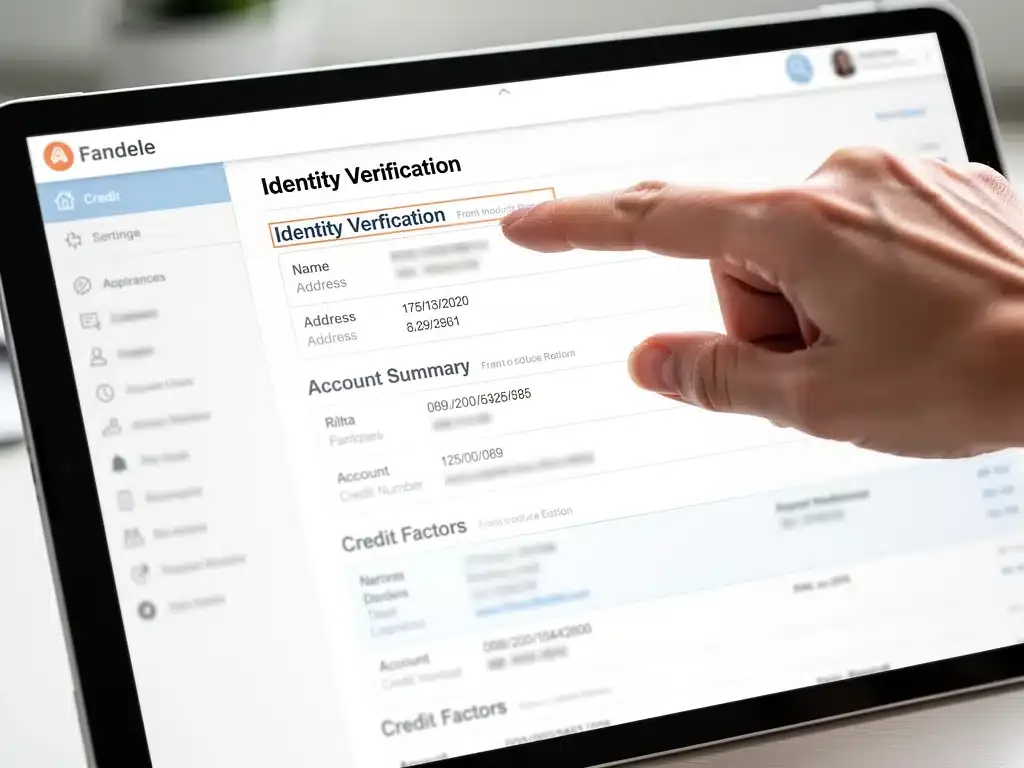
The foundational section of any French credit report is dedicated to identity and personal information. Accuracy here is paramount, as any discrepancies can lead to significant delays or even outright rejections of credit applications.
This section typically includes your full name, date and place of birth, address, and national identification numbers. Financial institutions use this data to confirm your identity and link you to your financial history.
Ensuring that all personal details are up-to-date and correctly recorded is the first critical step in effective Navigating French Credit Bureau Reports: An Educational Deep Dive into 6 Key Sections for 2026 (INSIDER KNOWLEDGE). Errors, however minor, can create serious obstacles.
The Importance of Accurate Personal Data
Incorrect personal information can lead to a mismatch between your application and your credit file, creating a perception of inconsistency. This can result in financial institutions questioning the validity of your request.
Moreover, accurate data is essential for preventing identity theft and ensuring that your credit history is not confused with that of another individual. Regularly reviewing this section for precision is a proactive measure against potential issues.
How to Rectify Errors in Personal Information
Should you discover any inaccuracies in your identity or personal information section, immediate action is required. Contacting the relevant credit bureau or the institution that reported the incorrect data is crucial for prompt correction.
Gather supporting documents, such as official identification, proof of address, and any other relevant paperwork, to substantiate your claim. A swift resolution is vital to maintain the integrity of your credit file and smooth your financial dealings.
Section 2: Credit Account Summary and Status
This section offers a comprehensive overview of all your current and past credit accounts, detailing the type of credit, the opening date, the original loan amount, and the current balance. It’s a snapshot of your overall credit exposure.
It distinguishes between various forms of credit, such as mortgages, personal loans, and revolving credit, providing insight into your borrowing habits. Lenders scrutinize this section to gauge your existing financial commitments.
A well-managed credit account summary demonstrates responsible borrowing, which is key for successful Navigating French Credit Bureau Reports: An Educational Deep Dive into 6 Key Sections for 2026 (INSIDER KNOWLEDGE). It reflects your capacity to handle multiple credit lines.
Types of Credit Accounts Displayed
- Mortgage Loans: Details on home financing, including initial amount and outstanding balance.
- Consumer Loans: Information on personal loans, car loans, and other installment credits.
- Revolving Credit: Data on credit cards and overdraft facilities, showing credit limits and usage.
- Guarantees and Co-signings: Records of any financial commitments made on behalf of others.
Section 3: Payment History and Incidents
Perhaps the most critical section for assessing creditworthiness, payment history meticulously records your repayment behavior on all credit accounts. This includes whether payments were made on time, delayed, or missed entirely.
Incidents of non-payment, such as defaults or bankruptcies, are prominently flagged here, significantly impacting your credit score. This section provides a historical perspective that heavily influences future lending decisions.
Understanding and proactively managing your payment history is crucial for effective Navigating French Credit Bureau Reports: An Educational Deep Dive into 6 Key Sections for 2026 (INSIDER KNOWLEDGE). A consistent record of timely payments builds trust with lenders.
Understanding FICP and FCC Entries
The FICP (Fichier des Incidents de Remboursement des Crédits aux Particuliers) lists individuals who have defaulted on consumer or mortgage loans. An entry here can severely restrict access to new credit.
Similarly, the Fichier Central des Chèques (FCC) records incidents related to checks and bank cards, such as bounced checks or fraudulent card use. Both files are maintained by the Banque de France and are critical for lenders.
Being listed on either of these files requires immediate attention and resolution, as entries can remain for several years, hindering financial mobility. Proactive steps to clear these records are essential.
Section 4: Public Records and Legal Information
This section includes information derived from public records, such as bankruptcies, judicial reorganizations, or legal judgments related to debt. These entries indicate severe financial distress and carry significant weight in credit assessments.
Unlike regular payment incidents, public record entries suggest a more profound financial instability. They are often viewed as red flags by lenders, signaling a higher risk profile for potential borrowers.
For anyone engaged in Navigating French Credit Bureau Reports: An Educational Deep Dive into 6 Key Sections for 2026 (INSIDER KNOWLEDGE), understanding the impact and duration of these entries is vital. They typically have a longer retention period than other negative marks.
Impact of Legal Judgments on Credit
A legal judgment, such as a court order to repay a debt, becomes a public record that is accessible to credit bureaus. This can severely impair your ability to obtain new credit, as it indicates a failure to meet financial obligations even after legal intervention.
These judgments can remain on your report for several years, influencing not only credit applications but also other financial agreements. It underscores the importance of resolving financial disputes before they escalate to legal action.
Section 5: Credit Inquiries and Application History
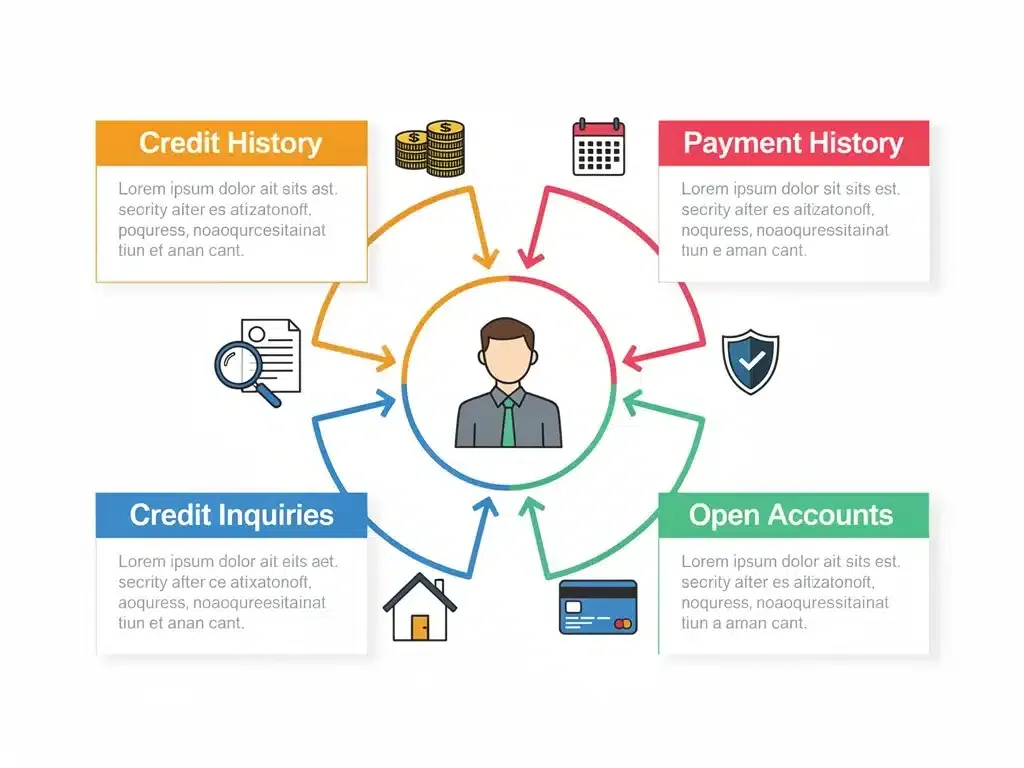
Every time you apply for credit, a lender typically makes an inquiry into your credit file. This section records these inquiries, noting the date and the inquiring institution. While individual inquiries have a minimal impact, a high volume can be a concern.
Multiple credit inquiries within a short period can suggest to lenders that you are desperate for credit or taking on too much debt. This can negatively affect your creditworthiness, even if you haven’t been approved for all applications.
Strategic management of credit applications is a subtle but important aspect of Navigating French Credit Bureau Reports: An Educational Deep Dive into 6 Key Sections for 2026 (INSIDER KNOWLEDGE). Avoid unnecessary applications to maintain a healthy inquiry record.
Soft vs. Hard Inquiries
- Soft Inquiries: These occur when you check your own credit report or when a lender pre-screens you for an offer. They do not affect your credit score.
- Hard Inquiries: These happen when you apply for new credit (e.g., a loan, credit card). They can slightly lower your credit score and remain on your report for two years.
- Strategic Applications: Be mindful of how many hard inquiries appear on your report. Apply for credit only when genuinely needed and after researching your chances of approval.
Section 6: Dispute History and Consumer Statements
This final section details any disputes you have initiated regarding information on your credit report. If you believe there’s an error, you have the right to dispute it, and the process and outcome are typically recorded here.
Additionally, if a dispute is unresolved or if you wish to provide context for a particular entry, you can often add a consumer statement to your report. This statement offers your perspective on an account or incident.
Utilizing this section effectively is a crucial part of Navigating French Credit Bureau Reports: An Educational Deep Dive into 6 Key Sections for 2026 (INSIDER KNOWLEDGE), allowing you to protect your financial reputation and provide clarity to future lenders.
The Process of Disputing Errors
When you identify an error, you should formally dispute it with the credit bureau. They are legally obligated to investigate your claim and correct any verified inaccuracies. This process ensures the fairness and accuracy of your report.
Maintaining clear records of all communication and documentation related to your dispute is essential. A successful dispute can lead to the removal of negative marks, improving your credit standing significantly.
| Key Section | Brief Description |
|---|---|
| Identity Information | Personal details for verification; accuracy is vital. |
| Credit Account Summary | Overview of all credit lines, balances, and types. |
| Payment History | Record of timely payments, delays, and defaults. |
| Public Records | Legal judgments, bankruptcies, and severe financial incidents. |
Frequently Asked Questions About French Credit Reports
What is the primary function of a French credit bureau report?▼The primary function is to provide lenders with a comprehensive overview of an individual’s financial behavior and creditworthiness. This helps them assess risk before approving loans or other credit products, ensuring responsible lending practices and informing decisions for Navigating French Credit Bureau Reports: An Educational Deep Dive into 6 Key Sections for 2026 (INSIDER KNOWLEDGE).
How often should I check my French credit report?▼It is advisable to check your French credit report at least once a year, or before making any significant financial applications. Regular checks help you identify and rectify errors promptly, protecting your financial reputation and aiding in Navigating French Credit Bureau Reports: An Educational Deep Dive into 6 Key Sections for 2026 (INSIDER KNOWLEDGE) effectively.
What is the FICP and why is it important?▼The FICP (Fichier des Incidents de Remboursement des Crédits aux Particuliers) is a file maintained by the Banque de France listing individuals who have defaulted on consumer or mortgage loans. Being listed on the FICP can severely restrict access to new credit, making it critical for Navigating French Credit Bureau Reports: An Educational Deep Dive into 6 Key Sections for 2026 (INSIDER KNOWLEDGE).
Can I improve my payment history on a French credit report?▼Yes, you can improve your payment history by consistently making all your credit payments on time and in full. Over time, a positive payment record will outweigh past negative incidents, demonstrating responsible financial behavior crucial for Navigating French Credit Bureau Reports: An Educational Deep Dive into 6 Key Sections for 2026 (INSIDER KNOWLEDGE).
What should I do if I find an error in my credit report?▼If you discover an error, you should immediately contact the credit bureau or the financial institution that reported the incorrect information. Provide supporting documentation to substantiate your claim for correction, which is a vital step in Navigating French Credit Bureau Reports: An Educational Deep Dive into 6 Key Sections for 2026 (INSIDER KNOWLEDGE).
What this means
The insights provided on Navigating French Credit Bureau Reports: An Educational Deep Dive into 6 Key Sections for 2026 (INSIDER KNOWLEDGE) clarify the critical components of your financial profile in France. As regulations evolve, staying informed and proactive about your credit report is not just good practice, but a necessity for financial stability and growth. Monitoring these sections ensures you are well-prepared for any financial endeavor, from securing a mortgage to managing daily expenses. This foundational understanding empowers you to make informed decisions and maintain a robust financial standing in the French economic landscape.